
Where is Bwindi Impenetrable National Park Located?
May 4, 2026
Is Bwindi a UNESCO World Heritage Site?
May 4, 2026Why is Bwindi Called “Impenetrable”? A Deep Dive by East African Jungle Safaris
Welcome to a world where nature remains untamed and magnificent. Have you ever wondered, “Why is Bwindi called ‘Impenetrable’?” This name carries a legacy of ancient mystery and biological wonder. It describes a forest so thick that sunlight struggles to reach the floor. East African Jungle Safaris invites you to explore this legendary Ugandan landscape. We offer you more than just a simple wildlife tour. Our team provides an immersive journey into a prehistoric ecosystem. This guide establishes our authority as leaders in African tourism. We focus on delivering expertise, trust, and unforgettable memories for every traveler.
The word “Bwindi” actually means a place full of darkness in the local Lukiga language. When people ask, “Why is Bwindi called ‘Impenetrable’?”, they often envision a wall of green. This forest has existed for over 25,000 years. It survived the last ice age when other forests disappeared. Today, it stands as a fortress for endangered species. It serves as a sanctuary for the world’s most famous mountain gorillas. East African Jungle Safaris takes pride in navigating these complex ridges. We ensure your adventure is safe, educational, and deeply moving. Let us explore the secrets of this green cathedral together.
What is the Historical Overview of Bwindi National Park?
An Ancient Ecological Fortress
Bwindi is one of the oldest and most diverse forests in Africa. To understand, “Why is Bwindi called ‘Impenetrable’?”, you must look at its geological history. This park covers 321 square kilometers in southwestern Uganda. It sits on the edge of the Albertine Rift Valley. The terrain consists of steep ridges and slippery valleys. This complex topography protected the forest from human encroachment for centuries. East African Jungle Safaris honors this history through responsible travel. We want every visitor to respect the antiquity of this land.
UNESCO World Heritage Status
The park earned its global recognition due to its immense biological value. If you ask, “Why is Bwindi called ‘Impenetrable’?”, look at its protected status. UNESCO designated it a World Heritage site in 1994. This status highlights its role as a global treasure. It contains over 160 species of trees and 100 species of ferns. This biodiversity creates a complex web of life. Our guides explain how these species interact within the forest. We provide insights that you won’t find in standard guidebooks. Trust us to show you the true heart of Uganda.
What are the Unique Features of Bwindi Impenetrable National Park?
The Density of the Forest Canopy
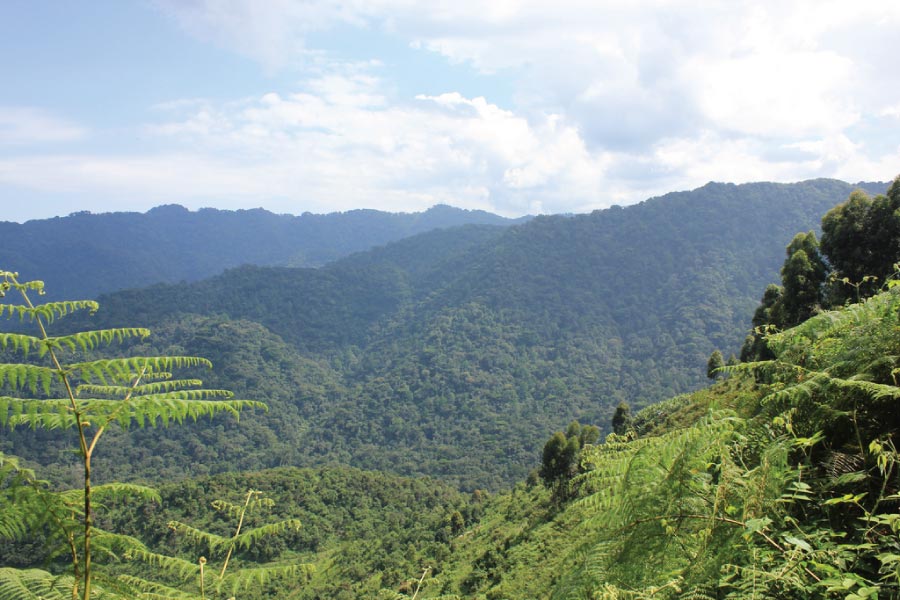
The sheer physical structure of the forest is its most defining trait. When considering, “Why is Bwindi called ‘Impenetrable’?”, imagine interlocking vines and bamboo. These plants create a natural barrier that humans cannot easily cross. Early explorers found the thick ground cover nearly impossible to navigate. Even today, trackers must use machetes to clear small paths. This density provides a perfect shield for shy wildlife. East African Jungle Safaris celebrates this wildness in every expedition. We help you experience the forest just as the ancient explorers did.
High Altitude and Mist
The park features a dramatic range of altitudes and climates. To answer, “Why is Bwindi called ‘Impenetrable’?”, you must feel the heavy mountain mist. Elevations range from 1,160 meters to over 2,600 meters. This height creates frequent rainfall and thick fog. The mist clings to the trees and hides the horizon. This atmospheric quality adds to the “impenetrable” feeling of the park. Our team prepares you for these cool, damp conditions. We ensure you have the right gear for this unique environment. Experience the magic of the “Gorillas in the Mist” with us.
What is the Wildlife in Bwindi Impenetrable National Park?
Home to the Mountain Gorillas
This park is the ultimate sanctuary for the majestic mountain gorilla. Many tourists ask, “Why is Bwindi called ‘Impenetrable’?”, while planning their primate trek. Roughly half of the world’s mountain gorilla population lives here. These gentle giants thrive in the thick, secluded vegetation. The forest provides them with an abundant supply of food. You can observe their complex social structures and family bonds. East African Jungle Safaris offers expert-led treks to find these families. We prioritize the safety of both the animals and our guests.
A Biodiversity Hotspot for Birders
Bwindi is a paradise for bird enthusiasts from across the globe. When you wonder, “Why is Bwindi called ‘Impenetrable’?”, think of 350 bird species. This includes 23 species endemic to the Albertine Rift. You might spot the African Green Broadbill or the Grauer’s Warbler. The dense foliage makes birding a rewarding challenge for experts. Our specialized birding guides have sharp eyes and ears. They help you identify rare calls in the thick canopy. We turn every walk into a masterclass in African ornithology.
What are the Activities in Bwindi Impenetrable National Park?
The Thrill of Gorilla Tracking
Trekking is the most popular way to answer, “Why is Bwindi called ‘Impenetrable’?”. You follow expert trackers deep into the tangled undergrowth. The hike can be physically demanding and very steep. However, the first sight of a silverback makes it worth it. You spend one hour observing their natural daily behaviors. This encounter is often a life-changing experience for travelers. East African Jungle Safaris handles all the permit arrangements for you. We make the complex logistics feel simple and easy.
Explorative Forest Nature Walks
Beyond gorillas, the park offers stunning trails for nature lovers. You might ask, “Why is Bwindi called ‘Impenetrable’?”, while crossing the Munyaga Waterfall trail. These paths reveal hidden streams and giant tree ferns. You can see colorful butterflies and rare forest elephants. The sounds of the forest create a natural symphony. Our guides share stories about the various plant uses. We teach you about traditional forest medicine and survival. Every step reveals a new secret of this ancient wild place.
What are the Conservation and Challenges in Bwindi?
Protecting an Endangered Ecosystem
Conservation is the cornerstone of our operations in Bwindi. When people ask, “Why is Bwindi called ‘Impenetrable’?”, they see a fragile ecosystem. Poaching and habitat loss remain significant threats to the park. The Uganda Wildlife Authority works tirelessly to patrol the borders. Tourism provides the necessary funds for these vital operations. We promote “Leave No Trace” principles on every single safari. East African Jungle Safaris advocates for the protection of every acre. Your visit helps ensure these gorillas survive for another century.
Managing Human-Wildlife Conflict
The park sits adjacent to busy and growing human communities. To understand, “Why is Bwindi called ‘Impenetrable’?”, you must see the park boundaries. Sometimes, gorillas or elephants wander into local farm fields. This can lead to tension between wildlife and villagers. Conservationists work to create buffer zones and planting tea. Tea acts as a natural fence that animals dislike crossing. We support local initiatives that compensate farmers for crop damage. Our goal is to foster harmony between nature and people.
How is Getting to Bwindi Impenetrable National Park?
The Scenic Road Journey
Traveling by road offers a deep look at Ugandan life. If you ask, “Why is Bwindi called ‘Impenetrable’?”, prepare for a long journey. The drive from Entebbe takes approximately nine to ten hours. You pass through vibrant markets and beautiful terraced hillsides. Our 4×4 safari vehicles are built for these rugged roads. We make the trip comfortable with frequent stops and snacks. This drive allows you to see the “Pearl of Africa” up close. It is a transition from the city to the wild.
Flying into the Wilderness
For those seeking speed, domestic flights are a great option. You may ask, “Why is Bwindi called ‘Impenetrable’?”, to find the best airstrip. Flights land at Kihihi or Kisoro depending on your sector. From there, a shorter drive brings you to the park gates. Flying provides a bird’s-eye view of the stunning crater lakes. It saves time for more activities inside the national park. East African Jungle Safaris coordinates all your flight and transfer needs. We ensure a seamless transition from the sky to the forest.
What is the Accommodation in Bwindi Impenetrable National Park?
Luxury Lodges with a View
High-end accommodation provides a sanctuary of comfort in the wild. When asking, “Why is Bwindi called ‘Impenetrable’?”, look for lodges on the ridge. These properties offer breathtaking views of the misty forest canopy. You can enjoy hot showers and fine dining after trekking. Many lodges feature fireplaces to keep you warm at night. We select partners who prioritize sustainability and local community support. East African Jungle Safaris recommends lodges that offer true African hospitality. Your stay will be as impressive as the wildlife encounters.
Sustainable and Mid-Range Stays
There are many excellent options for the eco-conscious traveler. If you wonder, “Why is Bwindi called ‘Impenetrable’?”, you will find cozy forest camps. These lodges use solar power and harvest rainwater for use. They provide a closer connection to the sounds of nature. You will wake up to the calls of turacos and monkeys. The staff usually comes from the neighboring local villages. Staying here contributes directly to the local economy and growth. We help you find the perfect balance of comfort and value.
What is the Best Time to Visit Bwindi?
Dry Season for Easier Trekking
The dry months are ideal for navigating the “Impenetrable” forest. If you ask, “Why is Bwindi called ‘Impenetrable’?”, you should visit in June. December to February is also a fantastic time for clear weather. The trails are less muddy and easier to climb. Visibility through the thick trees is much better for photography. Gorilla permits are in high demand during these peak months. We advise you to book your safari at least six months ahead. This ensures you get your preferred dates and lodging options.
Wet Season for Lush Scenery
The rainy season brings a different kind of beauty to Bwindi. You might ask, “Why is Bwindi called ‘Impenetrable’?”, as the forest turns emerald green. March to May and October to November see frequent tropical rains. This is the best time for bird watching and photography. The air is clear and the flowers are in full bloom. Some lodges offer lower rates during these quieter months. You will experience the park with fewer crowds and more peace. We provide high-quality rain gear for all our guests.
What Cultural Experiences are around Bwindi Safari Lodges?
The Batwa Trail Experience
The Batwa people lived inside the forest for thousands of years. When you ask, “Why is Bwindi called ‘Impenetrable’?”, they have the true answer. They were the original keepers of this ancient green wilderness. Today, they lead cultural tours to share their heritage with you. You can see how they hunted and gathered honey. They demonstrate traditional dances and share powerful oral histories. This experience provides a deep human connection to the land. East African Jungle Safaris supports these vital cultural preservation projects.
Local Community Village Walks
Walking through the local villages reveals the warmth of Uganda. Many ask, “Why is Bwindi called ‘Impenetrable’?”, but the people are very open. You can visit a traditional healer or a local school. See how women weave beautiful baskets from natural dyed fibers. Visit a community coffee farm to see the roasting process. These interactions help you understand the challenges of forest living. You can buy handmade souvenirs that support local families directly. We believe that culture is a vital part of any safari.
Conclusion: Why Bwindi Should Be Your Next Destination?
Bwindi Impenetrable National Park is a place of profound natural power. If you ever asked, “Why is Bwindi called ‘Impenetrable’?”, you now know its secret. It is a sanctuary of life protected by its own density. It offers a rare glimpse into the earth’s ancient past. Every trek through its mist is a journey of discovery. East African Jungle Safaris is your trusted partner for this adventure. We combine years of experience with a passion for conservation. Our team ensures your safari is professional and deeply authentic.
Plan your journey with us to see the mountain gorillas today. When you ask, “Why is Bwindi called ‘Impenetrable’?”, you seek a true challenge. We provide the expertise to help you conquer those steep slopes. You will return home with stories of wonder and triumph. Uganda is waiting to share its greatest treasure with you. Let us handle the details while you enjoy the magic. Your African dream starts right here in the heart of Bwindi. Contact East African Jungle Safaris to begin your great adventure.
