

Why is Bwindi called ‘Impenetrable’?
May 4, 2026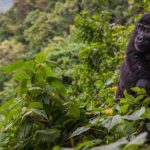
What is Bwindi Famous For?
May 4, 2026Is Bwindi a UNESCO World Heritage Site?
Welcome to the heart of Africa’s most celebrated natural fortress. You might wonder, “Is Bwindi a UNESCO World Heritage Site?”, and the answer is a resounding yes. This prestigious status confirms the park’s global importance to humanity and nature. East African Jungle Safaris takes immense pride in showcasing this ecological jewel. We offer expert guidance through its mist-covered ridges and ancient valleys. Our team understands the delicate balance of this prehistoric forest deeply. We invite you to explore a landscape that remains largely unchanged since the ice age. This guide serves as your authoritative source for all things Bwindi. We provide insights built on years of professional field experience.
The designation of a World Heritage Site requires meeting strict international criteria. When asking, “Is Bwindi a UNESCO World Heritage Site?”, one must look at its biodiversity. This park serves as a critical refuge for the endangered mountain gorilla. It also supports more than 350 bird species and hundreds of rare plants. Our role at East African Jungle Safaris is to protect this legacy. We ensure that your visit contributes directly to its continued preservation. Traveling with us means you support ethical and sustainable tourism practices. We bridge the gap between world-class adventure and responsible conservation. Join us as we journey into Uganda‘s most famous green sanctuary.
What is the Ecological Overview of Bwindi Impenetrable National Park?
A Biological Island in the Rift
Bwindi occupies a unique position within the Albertine Rift Valley system. If you ask, “Is Bwindi a UNESCO World Heritage Site?”, consider its geographic isolation. The park covers 321 square kilometers of rugged, high-altitude terrain. This landscape creates a sanctuary for species found nowhere else on earth. The thick vegetation acts as a giant sponge for the region’s rainfall. This process supports local agriculture and maintains the regional climate. East African Jungle Safaris highlights these hidden ecological functions during our tours. We want you to see the forest as a living, breathing entity.
Diversity Across Altitudes
The park spans a dramatic range of elevations from low valleys to high peaks. To understand, “Is Bwindi a UNESCO World Heritage Site?”, look at its altitudinal variety. This variation allows for a stunning array of different forest types. You will find lowland forest, montane forest, and thick bamboo zones. Each zone hosts a specific community of birds, insects, and mammals. Our professional guides possess expert knowledge of these distinct micro-climates. We help you spot the rare species that hide in each layer. Trust our expertise to bring the forest’s secrets to light.
What are the Unique Features of Bwindi as a World Heritage Site?
Survival Through the Ice Age
Bwindi is one of the few forests that survived the last ice age. When people ask, “Is Bwindi a UNESCO World Heritage Site?”, they learn about its antiquity. While other forests dried up, Bwindi remained a lush, green refuge. This longevity allowed evolution to continue uninterrupted for over 25,000 years. This history makes it one of the most diverse places on the planet. East African Jungle Safaris treats every trek as a walk through time. We share the fascinating geological stories that shaped this ancient land. You are not just visiting a park; you are visiting history.
An “Impenetrable” Natural Barrier
The physical density of Bwindi creates a natural fortress for its inhabitants. If you wonder, “Is Bwindi a UNESCO World Heritage Site?”, imagine the thickest jungle possible. Interlocking vines and giant ferns cover the steep, slippery slopes. This density prevented large-scale human settlement for many centuries. It allowed the mountain gorillas to thrive away from modern threats. Our team uses traditional tracking methods to navigate these difficult paths. We provide the physical support you need to conquer the terrain. Experience the raw power of nature in its most protected form.
What is the Rare Wildlife in Bwindi Impenetrable National Park?
The Majestic Mountain Gorillas
The park is most famous for hosting half of the world’s mountain gorillas. Many travelers ask, “Is Bwindi a UNESCO World Heritage Site?”, specifically to see these primates. About 459 individuals live within these protected and misty borders. Several families have undergone habituation to allow for safe human observation. Watching a silverback lead his family is a truly spiritual experience. East African Jungle Safaris manages all the permit details for your trek. We ensure you spend a magical hour in their peaceful presence. This encounter remains the highlight of any African safari holiday.
Endemic Birds and Small Mammals
The park is a treasure trove for birdwatchers and small mammal enthusiasts. When you ask, “Is Bwindi a UNESCO World Heritage Site?”, think of the Albertine Rift endemics. You can find the African Green Broadbill and the Shelley’s Crimsonwing here. The forest also hides rare forest elephants and giant forest hogs. Many species of colorful butterflies flutter through the high forest canopy. Our specialized birding tours cater to both beginners and expert twitchers. We use high-quality optics and local knowledge to find elusive birds. Your wildlife checklist will grow significantly during your stay with us.
What are the Activities in Bwindi Impenetrable National Park?
The Challenge of Gorilla Trekking
Trekking is the primary activity for those asking, “Is Bwindi a UNESCO World Heritage Site?”. You start the day with a briefing from park rangers. Then, you head into the bush to track a specific family. The hike can last several hours over very steep and muddy ground. However, the reward is a face-to-face meeting with a gorilla. This activity provides the core funding for all conservation efforts. East African Jungle Safaris provides expert advice on preparing for the hike. We want you to feel confident and ready for the trail.
Hiking and Waterfall Trails
Beyond primates, the park offers several world-class hiking and nature trails. You might ask, “Is Bwindi a UNESCO World Heritage Site?”, while exploring the Munyaga River. These trails lead to spectacular waterfalls and deep, hidden river gorges. You can see giant tree ferns that look like prehistoric remnants. These walks are perfect for photography and quiet nature contemplation. Our guides share deep knowledge about the medicinal properties of plants. We teach you how the forest supports the health of locals. Every trail offers a new perspective on this ancient wilderness.
What are the Conservation and Challenges in Bwindi?
Securing a Future for Primates
Conservation is the reason we can ask, “Is Bwindi a UNESCO World Heritage Site?”, today. Strict laws protect every inch of this precious forest habitat. Rangers patrol the boundaries daily to stop illegal activities and poaching. Modern technology helps monitor the health of the gorilla families closely. Community-led conservation ensures that locals benefit from the park’s existence. East African Jungle Safaris supports these efforts through every booking we take. We believe that tourism must be a force for good. Your visit helps pay for the salaries of these brave rangers.
Balancing Humans and Nature
Managing the boundary between the park and local farms remains a challenge. People often ask, “Is Bwindi a UNESCO World Heritage Site?”, regarding its social impact. Wildlife sometimes leaves the park and damages the crops of villagers. Conservation groups work to reduce these conflicts through creative barrier solutions. Planting tea or building stone walls helps keep animals inside. Education programs show children the value of protecting their natural heritage. We partner with lodges that prioritize hiring staff from the community. Our goal is to create a sustainable future for everyone involved.
How is Getting to Bwindi Impenetrable National Park?
Road Trips Through the Countryside
The drive to Bwindi offers a beautiful cross-section of Ugandan life. If you ask, “Is Bwindi a UNESCO World Heritage Site?”, expect a scenic journey. The trip from the capital takes about nine to ten hours. You will drive through rolling hills and vibrant local markets. Our custom safari vehicles ensure you travel in total comfort. We make stops at the Equator and for local lunches. This journey allows you to see the “Switzerland of Africa” landscapes. It is a great way to start your forest adventure.
Scheduled and Charter Flights
Flying is the fastest way to reach this remote mountain forest. You may ask, “Is Bwindi a UNESCO World Heritage Site?”, to find the best logistics. Flights from Entebbe land at Kihihi or Kisoro airstrips daily. From the plane, you see the vastness of the Rift Valley. A short drive from the airstrip takes you to the park. This option is perfect for travelers with a very tight schedule. East African Jungle Safaris organizes all ground transfers upon your arrival. We make sure your transition to the lodge is smooth.
What is the Accommodation in Bwindi Impenetrable National Park?
World-Class Luxury Safari Lodges
High-end lodges offer an oasis of luxury right at the forest’s edge. When asking, “Is Bwindi a UNESCO World Heritage Site?”, consider staying in luxury. These properties feature private decks with views of the misty mountains. You can enjoy five-course meals and relaxing massages after your trek. Many lodges use eco-friendly designs to minimize their environmental footprint. They provide the perfect place to reflect on your gorilla encounter. East African Jungle Safaris recommends the best lodges for your specific needs. We ensure your stay matches the majesty of the national park.
Mid-Range and Community Camps
There are excellent options for those seeking comfort and great value. If you wonder, “Is Bwindi a UNESCO World Heritage Site?”, look at the local camps. These lodges provide clean rooms, warm service, and delicious local food. Staying here allows you to connect more deeply with the environment. You will hear the forest birds waking you up every morning. These camps often support local schools or health clinics directly. We help you choose a lodge that aligns with your values. Every guest deserves a warm Ugandan welcome regardless of their budget.
What is the Best Time to Visit Bwindi?
Peak Dry Season Months
The dry seasons offer the most comfortable conditions for forest trekking. If you ask, “Is Bwindi a UNESCO World Heritage Site?”, plan for June or July. January and February are also excellent months for a safari visit. During these times, the trails are much firmer and easier. Gorillas often stay at lower altitudes to find seasonal food sources. This makes the trekking time shorter and less physically exhausting. East African Jungle Safaris suggests booking your gorilla permits early. Demand is very high during these popular and sunny months.
Low Season and Green Months
The rainy season transforms Bwindi into a vibrant, emerald paradise. You might ask, “Is Bwindi a UNESCO World Heritage Site?”, to see its flowers. March to May and October to November see more frequent rain. The forest is incredibly lush and the air feels very clean. You can enjoy the park with far fewer other tourists around. Some lodges offer special rates to attract visitors during this time. We provide all the necessary rain gear for your forest walk. The mist during the rain makes for truly dramatic photography.
What Cultural Experiences are around Bwindi Safari Lodges?
Meeting the Batwa People
The Batwa are the ancient forest people of the Bwindi region. When you ask, “Is Bwindi a UNESCO World Heritage Site?”, you discover their story. They lived in the forest as hunter-gatherers for many thousands of years. Today, they lead cultural trails to share their deep forest knowledge. You can watch them demonstrate ancient fire-making and hunting techniques. They perform traditional songs that tell the history of the forest. This experience adds a vital human layer to your wildlife safari. East African Jungle Safaris highly recommends this meaningful cultural interaction.
Village Walks and Craft Markets
Exploring the local villages gives you a glimpse into modern Uganda. Many ask, “Is Bwindi a UNESCO World Heritage Site?”, but the culture is just as rich. You can visit a traditional blacksmith or a local banana brewery. Learn how to make local juice or gin from ripe bananas. Visit the craft markets to buy hand-woven baskets and carvings. These purchases provide vital income for the hardworking local artisans. Our guides facilitate these visits to ensure they are respectful and fun. You will leave with a heart full of Ugandan warmth.
Conclusion: Embracing the Magic of Bwindi National Park
Bwindi remains one of the most powerful places on the African continent. If you ever asked, “Is Bwindi a UNESCO World Heritage Site?”, you now know why. It is a sanctuary of ancient life and unmatched biological diversity. Trekking through its mist is a privilege that few people experience. The park stands as a beacon of hope for global conservation efforts. East African Jungle Safaris is ready to be your guide here. We offer the expertise and passion needed for a perfect safari. Our team ensures every detail of your journey is handled professionally.
Your adventure in the “Pearl of Africa” starts with this forest. When you ask, “Is Bwindi a UNESCO World Heritage Site?”, you seek excellence. We provide that excellence through our tailored safari tour packages. Come and see the mountain gorillas in their natural kingdom. Experience the silence of the forest and the roar of the waterfalls. Uganda is waiting to show you its most precious natural wonder. Let us create a journey that you will remember forever. Contact East African Jungle Safaris today to begin your grand adventure.
