
Kenya Cultural Safaris
March 5, 2026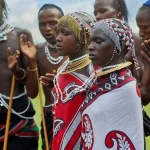
What Happens During a Village Visit with East African Jungle Safaris
March 5, 2026What is the etiquette for visiting villages?
Kenya cultural safaris offer travelers an extraordinary opportunity to experience Africa beyond wildlife and landscapes. These immersive journeys reveal the human heritage that shapes Kenya’s identity. Travelers discover traditions, customs, languages, and community life across diverse tribal regions. Kenya cultural safaris therefore create deeper understanding between visitors and local communities.
East Africa holds some of the richest cultural diversity on the continent. Kenya alone hosts more than forty indigenous ethnic groups. Each community maintains unique ceremonies, clothing styles, architecture, and food traditions. Kenya cultural safaris introduce visitors to this remarkable cultural heritage through carefully guided village experiences.
East African Jungle Safaris designs Kenya cultural safaris that balance cultural exploration with ethical tourism principles. The company promotes respectful interactions that protect local traditions while benefiting communities. Cultural etiquette plays a critical role in creating positive experiences for both visitors and host communities.
Many travelers preparing for Kenya cultural safaris often ask several important questions. What cultural etiquette should visitors follow when entering villages? How much are the permits for village visits? What can travelers pack for a respectful cultural safari experience? What are the best places in Kenya for Kenya cultural safaris? These questions help travelers prepare responsibly.
Understanding proper behavior ensures meaningful cultural exchange. Respectful dress, polite greetings, and permission for photography build trust between visitors and community members. These simple gestures demonstrate appreciation for local traditions.
Kenya cultural safaris organized by East African Jungle Safaris emphasize responsible travel practices. Experienced guides introduce travelers to communities while explaining cultural expectations. Visitors therefore explore authentic traditions while maintaining deep respect for local lifestyles.
This guide explores the etiquette of visiting villages during Kenya cultural safaris. It also highlights cultural activities, accommodations, travel preparation, and unique experiences offered by East African Jungle Safaris.
Kenya Cultural Safaris and Village Etiquette: Why Respect Matters
Kenya cultural safaris create rare opportunities for meaningful human connection. Travelers enter communities where traditional lifestyles remain central to daily life. Cultural sensitivity therefore becomes essential for positive interaction.
Many rural communities in Kenya follow strong cultural codes regarding dress, behavior, and communication. These customs protect social harmony and reflect centuries of cultural development. Visitors who respect these traditions gain warmer welcomes and richer cultural experiences.
Kenya cultural safaris often include visits to pastoral villages, farming communities, and nomadic settlements. Each group maintains distinct customs that shape village life. East African Jungle Safaris prepares travelers with cultural guidance before each visit.
Respectful behavior begins with understanding that villages remain homes rather than tourist attractions. Families raise children, cook meals, herd livestock, and conduct daily routines. Travelers therefore enter personal spaces that require courtesy and patience.
Positive interactions also strengthen community relationships with tourism operators. Communities feel valued when visitors show genuine interest in cultural traditions. These relationships encourage sustainable cultural tourism that supports rural economies.
East African Jungle Safaris places cultural respect at the center of every Kenya cultural safari itinerary. Expert guides explain local traditions while encouraging respectful dialogue between visitors and community members.
Through this approach, Kenya cultural safaris become powerful learning experiences rather than simple sightseeing excursions.
Photography Etiquette on Kenya Cultural Safaris
Photography forms an important part of many Kenya cultural safaris. Travelers naturally want to capture colorful traditions, unique clothing, and vibrant village scenes. However, responsible photography requires permission and cultural awareness.
Many indigenous communities consider photography a personal matter. Images capture identity, family members, and cultural heritage. Visitors therefore must always request permission before photographing individuals.
Kenya cultural safaris guided by East African Jungle Safaris emphasize respectful photography practices. Guides encourage travelers to ask politely before raising cameras. This approach demonstrates respect for personal dignity and cultural values.
Permission often leads to positive interaction. Community members may enjoy sharing their stories while posing for photographs. Some artisans also appreciate photos of their craftwork because it promotes cultural appreciation worldwide.
However, travelers should avoid photographing sensitive activities such as private ceremonies or religious practices without clear approval. These moments hold deep spiritual significance within communities.
Kenya cultural safaris therefore focus on respectful cultural storytelling through photography. Images should celebrate cultural pride rather than treat communities as objects of curiosity.
East African Jungle Safaris also encourages travelers to share photographs with local communities when possible. This gesture strengthens cultural exchange and builds lasting connections.
Through respectful photography, Kenya cultural safaris preserve memories while honoring the dignity of local cultures.
Dress Code Guidelines During Kenya Cultural Safaris
Appropriate clothing plays a significant role in village etiquette during Kenya cultural safaris. Many rural communities value modest dress that reflects cultural respect and social values.
Travelers visiting villages should cover shoulders and knees. This guideline applies to both men and women. Modest clothing helps visitors blend comfortably into community environments.
Kenya cultural safaris often reach regions where traditional beliefs strongly influence social behavior. Conservative dress demonstrates awareness of these cultural norms.
Some areas in Kenya also include Muslim communities where modest attire holds religious significance. Respectful clothing therefore strengthens cultural harmony during visits.
East African Jungle Safaris recommends lightweight long-sleeve shirts, breathable trousers, and comfortable skirts that extend below the knees. Neutral colors also suit village environments and avoid drawing unnecessary attention.
Proper footwear remains equally important. Closed walking shoes protect feet during village tours while maintaining a respectful appearance.
Packing appropriate clothing helps travelers feel confident during cultural interactions. Communities also appreciate visitors who demonstrate cultural understanding through thoughtful dress choices.
Kenya cultural safaris therefore combine cultural discovery with respectful presentation. These small efforts create welcoming environments where meaningful conversations flourish.
What Can Travelers Expect in a Kenya Cultural Safaris Village Visit?
Kenya cultural safaris introduce visitors to the rhythm of everyday village life. Travelers gain insight into traditions that shape community identity across rural Kenya.
Village visits usually begin with welcoming songs and greetings from community members. These ceremonies reflect hospitality and cultural pride. Guests often receive introductions from elders who guide the experience.
Kenya cultural safaris frequently include demonstrations of traditional skills. Women showcase beadwork techniques that produce intricate jewelry designs. Each bead color carries cultural symbolism connected to social identity.
Visitors may also observe livestock management practices. Pastoral communities demonstrate herding techniques, milking routines, and cattle care traditions.
Cooking experiences also enrich Kenya cultural safaris. Travelers learn how families prepare traditional meals using local ingredients. These culinary demonstrations reveal the connection between culture and food traditions.
Storytelling sessions provide deeper cultural understanding. Elders share knowledge about ancestral traditions, seasonal migrations, and social customs.
Craft markets often conclude village visits. Travelers purchase handmade jewelry, baskets, and textiles directly from artisans. These purchases support local livelihoods and preserve traditional craftsmanship.
East African Jungle Safaris ensures that every Kenya cultural safari experience supports community development and cultural preservation.
What Are the Best Places in Kenya for Kenya Cultural Safaris?
Kenya cultural safaris unfold across diverse landscapes that support unique cultural traditions. Several regions stand out as exceptional destinations for cultural exploration.
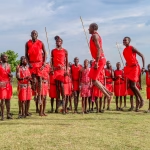
The famous Maasai Mara National Reserve region offers some of the most accessible Kenya cultural safaris. Visitors explore nearby villages belonging to the iconic Maasai community. These pastoralists maintain vibrant traditions centered on cattle herding and warrior culture.
Northern Kenya provides deeper cultural immersion experiences. The Samburu National Reserve region introduces travelers to the colorful Samburu people. These communities share historical ties with the Maasai but preserve unique cultural expressions.
Remote expeditions to Lake Turkana reveal the traditions of the Turkana and Rendille communities. These nomadic groups demonstrate extraordinary resilience in harsh desert environments.
Western Kenya also offers fascinating encounters with the Pokot community. Their culture blends pastoralism with farming traditions in mountainous landscapes.
East African Jungle Safaris designs itineraries that connect these cultural regions into unforgettable Kenya cultural safaris.
The Accommodations During Kenya Cultural Safaris
Accommodation choices play an important role in shaping Kenya cultural safaris. Lodges and camps located near cultural communities allow travelers to experience daily village life more deeply.
Luxury safari lodges near Maasai Mara combine comfort with cultural access. Many lodges partner directly with Maasai villages to organize guided cultural visits. Guests enjoy modern amenities while supporting local communities.
Eco-lodges in the Samburu region focus on sustainability and cultural preservation. These lodges often employ local guides who share knowledge about Samburu traditions.
Remote desert camps in northern Kenya create adventurous experiences during Kenya cultural safaris. Travelers explore Turkana and Rendille cultures while enjoying authentic wilderness environments.
East African Jungle Safaris carefully selects accommodations that promote responsible tourism. Lodges with community partnerships receive priority because they support education programs and cultural preservation projects.
These accommodations therefore enhance Kenya cultural safaris while strengthening local economies.
How Much Are the Permits for Kenya Cultural Safaris?
Travelers planning Kenya cultural safaris frequently ask about village visit permits. Cultural tourism operates through community contribution systems rather than formal government permits.
Most villages charge a cultural entry fee ranging between 20 and 50 USD per person. This contribution supports community projects such as schools, water wells, and healthcare initiatives.
Some remote regions also require travel permits due to conservation policies or security regulations. East African Jungle Safaris handles all necessary arrangements before each Kenya cultural safari begins.
These contributions ensure that tourism directly benefits local communities. Visitors therefore participate in responsible tourism that preserves cultural heritage.
What Can Travelers Pack for Kenya Cultural Safaris?
Packing wisely enhances comfort and cultural respect during Kenya cultural safaris. Lightweight clothing works best in warm climates across Kenya.
Travelers should pack modest outfits that cover shoulders and knees for village visits. Comfortable walking shoes help during cultural tours and rural exploration.
Sun hats, sunglasses, and sunscreen protect travelers during outdoor activities. Reusable water bottles support sustainable travel practices.
Many travelers also pack small educational gifts such as notebooks or pencils for community schools. These items often support local education programs.
East African Jungle Safaris provides detailed packing guidance before every Kenya cultural safari.
Can Travelers Combine Uganda Cultural Safaris with Kenya Cultural Safaris?
Many travelers choose to combine Kenya cultural safaris with experiences in neighboring countries. East Africa offers extraordinary cultural diversity across short travel distances.
Uganda cultural safaris introduce visitors to forest communities such as the Batwa people living near Bwindi Impenetrable National Park.
Combining Uganda and Kenya cultural safaris allows travelers to explore both pastoral cultures and rainforest traditions within one journey.
East African Jungle Safaris designs multi-country itineraries that connect these cultural landscapes seamlessly.
What Does East African Jungle Safaris Offer You on a Kenya Cultural Safaris Experience?
East African Jungle Safaris offers expertly designed cultural travel experiences across Kenya’s most fascinating regions. Professional guides possess deep cultural knowledge and strong community relationships.
Each Kenya cultural safari itinerary balances cultural exploration with wildlife encounters and scenic landscapes. Travelers therefore experience Kenya’s natural and cultural heritage together.
The company works closely with village leaders to ensure respectful cultural exchanges. Tourism revenue also supports local development projects.
Why Choose East African Jungle Safaris for Your Kenya Cultural Safaris?
Kenya cultural safaris require experienced planning, cultural sensitivity, and responsible tourism practices. East African Jungle Safaris delivers all three through years of regional expertise.
The company prioritizes authentic cultural interaction rather than staged tourist performances. Travelers gain genuine understanding of Kenyan traditions through guided village visits.
Community partnerships also ensure that tourism supports cultural preservation and local livelihoods.
Kenya cultural safaris organized by East African Jungle Safaris therefore provide meaningful cultural exploration while strengthening Africa’s heritage tourism industry.
Through respectful engagement and expert guidance, travelers discover the human stories that define Kenya’s cultural landscape.
