
What Currency Should I Bring for Rwanda Cultural Safaris?
March 4, 2026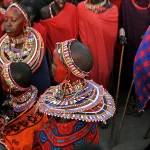
What is the etiquette for visiting villages?
March 5, 2026Kenya Cultural Safaris
Kenya cultural safaris open a powerful window into the living traditions of East Africa. These journeys move beyond wildlife viewing and introduce travelers to the human stories that shape Kenya’s identity. Kenya holds more than forty ethnic communities, each with distinctive traditions, architecture, food, music, and ceremonies. A Kenya cultural safari therefore creates a deeper connection between travelers and the land.
East African Jungle Safaris designs Kenya cultural safaris that blend immersive cultural encounters with extraordinary landscapes. Visitors explore savannah villages near famous wildlife reserves while learning directly from indigenous communities. Travelers meet pastoral families, witness colorful ceremonies, and explore ancient ways of life that continue to thrive today.
Kenya cultural safaris often include visits to the Maasai, Samburu, Turkana, Rendille, and Pokot communities. Each group preserves unique customs and traditions that reflect centuries of adaptation to Kenya’s landscapes. Some communities live near world-famous wildlife parks, which allows travelers to combine wildlife exploration with cultural discovery.
East African Jungle Safaris creates meaningful cultural journeys that support local communities and protect heritage traditions. Expert guides ensure respectful engagement, authentic learning, and unforgettable memories.
This guide explores the tribes travelers can visit on Kenya cultural safaris while highlighting experiences, accommodations, cultural activities, and travel insights.
Which Tribes Can Travelers Visit During Kenya Cultural Safaris?
Kenya cultural safaris introduce travelers to several indigenous communities that maintain strong cultural identities. These communities welcome visitors who seek genuine learning and cultural appreciation.
The Maasai Cultural Experience Near Maasai Mara
The iconic Maasai community represents one of the most recognizable cultures in Africa. Kenya cultural safaris frequently include Maasai village visits near the world-famous Maasai Mara National Reserve.
The Maasai live as semi-nomadic pastoralists across southern Kenya and northern Tanzania. Their culture centers on cattle, which symbolize wealth, food security, and social status. Bright red shukas, intricate beadwork, and elegant jumping dances create a powerful cultural identity.
Visitors on Kenya cultural safaris enter traditional Maasai manyattas, which women construct using earth, sticks, and cow dung. Elders explain community structures, warrior traditions, and livestock management practices. Travelers learn about rites of passage, marriage customs, and the importance of cattle in daily life.
Cultural performances often accompany village visits. Young warriors perform the famous adumu jumping dance while women sing rhythmic welcome songs. Guests also participate in beadwork demonstrations and traditional fire-making techniques.
Kenya cultural safaris around Maasai Mara often combine cultural visits with wildlife drives. This pairing allows travelers to experience both human heritage and Africa’s famous wildlife landscapes.
East African Jungle Safaris ensures respectful engagement during Maasai visits. Local guides explain cultural protocols and encourage meaningful dialogue between travelers and community members.
Discover the Samburu Culture in Northern Kenya
Kenya cultural safaris also highlight the remarkable traditions of the Samburu people. These pastoral communities live across northern Kenya near the stunning Samburu National Reserve.
Samburu culture shares historical roots with the Maasai but maintains distinct customs and artistic expressions. Colorful bead necklaces, layered bracelets, and decorated leather garments reflect a rich artistic heritage.
Visitors on Kenya cultural safaris explore Samburu villages built from natural materials that blend with the surrounding desert landscapes. Women demonstrate intricate beadwork techniques while explaining how jewelry communicates age, marital status, and social identity.
Traditional Samburu music features rhythmic chanting, dancing, and storytelling. Cultural performances provide insight into warrior traditions and community celebrations.
Food experiences also form an important part of Kenya cultural safaris with the Samburu community. Visitors learn about milk-based diets, livestock care, and seasonal migration patterns that support pastoral life.
Wildlife encounters often accompany Samburu cultural experiences. The surrounding reserve hosts unique species such as the Grevy’s zebra, Somali ostrich, and reticulated giraffe.
East African Jungle Safaris carefully organizes these visits to ensure cultural respect and direct community benefits.
The Remote Traditions of the Turkana Community
For travelers seeking deeper exploration, Kenya cultural safaris sometimes extend to the remote lands of the Turkana people in northern Kenya.
The Turkana live near the vast Lake Turkana, the world’s largest desert lake. Harsh landscapes shape their resilient culture and strong survival traditions.
Turkana communities rely on fishing, livestock herding, and trade to sustain livelihoods. Their colorful bead collars, layered necklaces, and elaborate hairstyles represent powerful cultural symbolism.
Kenya cultural safaris to Turkana regions reveal fascinating desert survival techniques. Visitors observe fishing practices, livestock management strategies, and traditional crafts made from leather and metal.
Storytelling plays an important role in Turkana society. Elders share historical narratives about migration routes, tribal conflicts, and spiritual beliefs connected to the desert environment.
These remote cultural journeys require experienced planning. East African Jungle Safaris organizes guided expeditions that ensure safety while creating meaningful cultural exchanges.
Meeting the Rendille Nomads of Northern Kenya
Kenya cultural safaris also introduce travelers to the fascinating Rendille people. These nomadic pastoralists inhabit the arid lands between Marsabit and Lake Turkana.
The Rendille rely heavily on camel herding. Camels provide milk, transport, and survival in extreme desert climates.
Visitors on Kenya cultural safaris explore temporary Rendille settlements built using lightweight materials that allow easy relocation during seasonal migrations.
Cultural ceremonies highlight the strong clan structure that guides Rendille society. Age-set systems organize leadership roles and community responsibilities.
Guests observe camel milking, traditional cooking techniques, and nomadic household organization. Women demonstrate beautiful bead ornaments that express social status and identity.
These experiences reveal the remarkable resilience of nomadic cultures in challenging environments.
The Pokot Cultural Heritage Experience
Kenya cultural safaris also include encounters with the Pokot community of western Kenya.
The Pokot practice both farming and pastoralism. Their lifestyle bridges highland agriculture and lowland cattle herding traditions.
Visitors witness energetic Pokot dances that feature powerful drum rhythms and colorful attire. These performances celebrate community unity and seasonal ceremonies.
Traditional homes built from wood and grass demonstrate sustainable construction techniques adapted to mountainous landscapes.
Kenya cultural safaris with the Pokot community highlight agricultural practices, traditional medicine knowledge, and livestock management skills.
Travelers gain deep insights into rural Kenyan life while supporting local cultural preservation.
What Can Travelers Expect in a Kenya Cultural Safaris Experience?
Kenya cultural safaris provide immersive experiences that extend far beyond sightseeing. Travelers actively participate in cultural learning while respecting local traditions.
Village visits often begin with welcoming ceremonies that include songs, dances, and greetings from community elders. Guides explain cultural etiquette to ensure respectful interaction.
Guests observe daily activities such as cooking, livestock herding, beadwork, and traditional house construction. These demonstrations reveal practical skills that sustain rural communities.
Storytelling sessions allow elders to share cultural wisdom and historical knowledge. Visitors learn about social structures, marriage customs, and spiritual beliefs.
Many Kenya cultural safaris include hands-on activities. Travelers may learn traditional fire-making techniques, bead jewelry crafting, or spear throwing skills.
Cultural experiences often conclude with craft markets where visitors purchase handmade jewelry and artwork. These purchases directly support local artisans.
East African Jungle Safaris ensures that each Kenya cultural safari supports community empowerment and cultural preservation.
What Are the Best Places in Kenya for Kenya Cultural Safaris?
Kenya offers several outstanding destinations for cultural exploration.
The Maasai Mara region remains one of the most popular cultural safari destinations because travelers combine Maasai village visits with wildlife safaris.
Northern Kenya offers deeper cultural immersion. Samburu National Reserve, Marsabit, and Lake Turkana regions host diverse pastoral communities.
Western Kenya also provides cultural experiences with Pokot communities and highland farming traditions.
East African Jungle Safaris designs itineraries that connect these regions into unforgettable cultural journeys.
The Accommodations During Kenya Cultural Safaris
Kenya cultural safaris offer diverse accommodation styles that complement cultural exploration.
Luxury safari lodges near Maasai Mara provide comfort while maintaining close connections to local communities. Many lodges partner directly with Maasai villages to support cultural tourism initiatives.
Eco-lodges in Samburu regions emphasize sustainability and cultural preservation. Guests enjoy guided village visits organized by community leaders.
Remote camps in northern Kenya provide authentic desert adventure experiences near Turkana and Rendille communities.
East African Jungle Safaris carefully selects accommodations that respect cultural traditions and support local economies.
How Much Are the Permits for Kenya Cultural Safaris?
Many travelers ask an important planning question: How much are the permits for Kenya cultural safaris?
Village visits usually involve community contribution fees that range between 20 and 50 USD per person. These contributions support schools, water projects, and community development.
Some remote cultural regions require additional travel permits due to conservation or security regulations.
East African Jungle Safaris manages all logistics, permits, and community contributions in advance to ensure smooth travel experiences.
What Can Travelers Pack for Kenya Cultural Safaris?
Packing thoughtfully enhances the Kenya cultural safari experience.
Travelers should bring lightweight clothing suitable for warm climates. Modest attire shows respect during village visits.
Comfortable walking shoes help during cultural village tours and rural exploration.
Travelers often pack small gifts such as school supplies when visiting community projects.
Sun protection, reusable water bottles, and camera equipment also enhance the journey.
East African Jungle Safaris provides detailed packing lists before each Kenya cultural safari.
Can Travelers Combine Uganda Cultural Safaris with Kenya Cultural Safaris?
Many travelers ask whether Uganda cultural safaris can combine with Kenya cultural safaris. The answer remains yes.
East African Jungle Safaris designs cross-border itineraries that connect Kenya’s pastoral cultures with Uganda’s rich tribal heritage.
Travelers may explore Maasai villages in Kenya before visiting the Batwa forest communities in Bwindi Impenetrable National Park.
These multi-country journeys create a deeper understanding of East Africa’s cultural diversity.
What Does East African Jungle Safaris Offer You on a Kenya Cultural Safaris Journey?
East African Jungle Safaris offers carefully curated cultural travel experiences across Kenya.
Expert guides provide cultural interpretation and ensure respectful interactions with local communities.
The company partners directly with villages to support cultural preservation and sustainable tourism development.
Custom itineraries combine wildlife safaris, cultural immersion, and scenic landscapes.
Travelers experience authentic traditions while enjoying safe and comfortable travel arrangements.
Why Choose East African Jungle Safaris for Your Kenya Cultural Safaris?
Kenya cultural safaris require cultural knowledge, responsible tourism practices, and strong community relationships. East African Jungle Safaris delivers all three.
The company works closely with local elders and community leaders to ensure respectful cultural exchanges.
Guides possess deep knowledge of tribal traditions, landscapes, and regional history.
Travelers gain authentic cultural insights rather than staged tourist performances.
East African Jungle Safaris also supports community projects through tourism revenue.
Choosing East African Jungle Safaris therefore guarantees meaningful cultural exploration while contributing to the protection of Africa’s living heritage.
Kenya cultural safaris reveal the human heartbeat of East Africa. These journeys create unforgettable connections between travelers and indigenous communities.
With expert planning from East African Jungle Safaris, travelers discover the traditions, resilience, and beauty that define Kenya’s cultural landscape.
