
How Much to Tip Gorilla Trekking in Uganda
February 20, 2026
What Is the Age Limit for Gorilla Trekking in Uganda?
February 23, 2026Why Not Wear White on Safari?
When planning an unforgettable African wildlife journey, many travelers focus on destinations, wildlife sightings, and luxury lodges. However, a surprisingly important question often arises: Why not wear white on safari? At East African Jungle Safaris, I guide guests through every detail that shapes a successful safari experience. Clothing choices influence comfort, safety, photography, and even wildlife behavior. Therefore, understanding why not to wear white on safari protects both your experience and the ecosystem you explore.
Across East Africa, safaris unfold in diverse environments. These landscapes include the savannah plains of Serengeti National Park, the dramatic wilderness of Maasai Mara National Reserve, and the ancient forests of Bwindi Impenetrable National Park. Each destination presents unique conditions. Dust, mud, thick vegetation, and intense sunlight define many safari settings. White clothing quickly attracts dirt, reflects excessive light, and may disrupt wildlife encounters.
Understanding Why Not Wear White on Safari in African Wilderness Conditions
One primary reason why not wear white on safari relates to environmental conditions. African safari landscapes feature dry soils, dusty roads, and open plains. During game drives, safari vehicles travel along unpaved tracks. Dust rises behind vehicles and settles on clothing quickly. White fabrics reveal every stain and dust mark immediately.
In parks such as Serengeti National Park and Maasai Mara National Reserve, dry seasons intensify dusty conditions. Even short drives leave visible marks on light clothing. Moreover, safari often includes bush walks, boat safaris, and community visits. Each activity exposes clothing to natural elements. Therefore, neutral earth tones such as khaki, olive, brown, and beige provide practical advantages.
White clothing demands constant cleaning and attention. Safari itineraries focus on exploration, not wardrobe maintenance. Consequently, when asking why not wear white on safari, practicality stands as the first answer. Smart travelers choose durable, forgiving colors that maintain a neat appearance throughout their journey.
Why Not Wear White on Safari During Walking Safaris?
Wildlife Sensitivity to Bright Colors
Walking safaris create intimate wildlife encounters. Professional guides lead small groups through natural habitats on foot. During these experiences, clothing plays a crucial role in blending into the environment. Bright white fabrics stand out sharply against green vegetation and golden grasslands.
Wild animals notice contrast and sudden movement quickly. Although animals do not fear white specifically, strong contrast may draw attention unnecessarily. Therefore, many safari operators discourage or restrict white clothing during walking safaris. Neutral tones help guests integrate into the natural surroundings quietly.
Conservation and Respect for Nature
At East African Jungle Safaris, I prioritize responsible tourism. Respect for wildlife remains central to our safari philosophy. Clothing choices reflect that respect. When travelers understand why not wear white on safari, they align with conservation practices.
Walking safaris demand focus, patience, and awareness. Earth-toned clothing reduces distraction and enhances immersion. As a result, your wildlife encounters feel more authentic and uninterrupted.
What Can I Pack For Safari Instead of White Clothing?
Smart Packing for African Conditions
When travelers ask what can I pack for safari, I recommend practical and versatile clothing. Choose breathable fabrics that wick moisture. Select long-sleeved shirts for sun protection and insect defense. Pack durable trousers rather than shorts for bush walks.
Neutral colors such as olive, tan, brown, and muted green work best. These shades conceal dust and blend naturally with the landscape. Additionally, pack a lightweight jacket for early morning drives. Temperatures often drop before sunrise.
Avoid bright colors, camouflage patterns, and pure white garments. Some countries restrict camouflage due to military associations. Meanwhile, white attracts dust and reflects sunlight strongly. Therefore, when considering why not wear white on safari, smart packing becomes part of strategic travel planning.
East African Jungle Safaris provides detailed pre-departure packing guidance. I ensure every guest feels prepared for comfort and style within safari settings.
Why Not Wear White on Safari During Uganda Gorilla Trekking?
Forest Terrain and Humidity
Uganda Gorilla Trekking unfolds within dense rainforest environments such as Bwindi Impenetrable National Park. These forests feature mud, thick vegetation, and frequent rainfall. White clothing stains quickly in such conditions. Trekking often includes navigating slippery slopes and brushing against plants.
Moreover, gorilla trekking demands long hours of hiking. Moisture, sweat, and mud combine naturally. White fabrics show every mark instantly. Neutral, darker tones maintain a practical and professional appearance.
What Can I Expect in a Uganda Gorilla Trekking Experience?
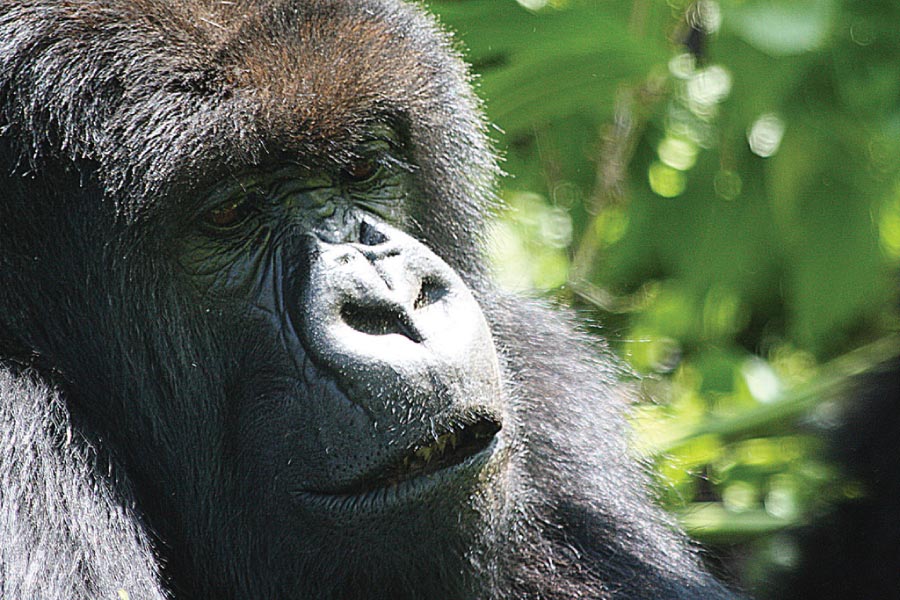
Uganda Gorilla Trekking offers one of Africa’s most powerful wildlife experiences. Rangers guide small groups through forest trails. Trackers locate habituated gorilla families early each morning. Treks vary in duration depending on gorilla movement.
Upon locating a gorilla family, guests spend one hour observing them. Silverbacks display strength and calm leadership. Juveniles play energetically among vines. Mothers nurture infants with care. This intimate moment requires focus and respect.
Therefore, when asking why not wear white on safari within gorilla habitats, practicality and respect guide the answer. Durable, protective clothing enhances comfort and confidence during trekking.
How Much Are the Permits and How Does Proper Planning Improve Safari Value?
When planning Uganda Gorilla Trekking, many travelers ask, how much are the permits? Currently, a gorilla trekking permit costs approximately $800 per person for foreign non-residents. This investment supports conservation, park management, and community development initiatives.
Permit fees do not include accommodation, transportation, or gratuities. Therefore, budget planning becomes essential. East African Jungle Safaris manages permit reservations in advance to secure availability.
Proper planning also includes wardrobe preparation. When travelers understand why not wear white on safari, they reduce unnecessary packing mistakes. Smart preparation maximizes safari enjoyment and protects your investment.
The Accommodations: Comfort and Style Beyond the Safari Trail
Luxury and Authenticity in Safari Lodges
Safari accommodations across East Africa combine comfort with wilderness immersion. In Uganda, lodges near Bwindi Impenetrable National Park offer forest-view cottages and personalized service. In Tanzania and Kenya, tented camps provide elegant settings within iconic landscapes.
After a day exploring dusty plains or rainforest trails, comfortable lodging becomes essential. Lodge environments remain relaxed yet refined. Neutral casual wear suits evening dinners and campfire conversations.
White clothing in dusty regions often appears worn by evening. Therefore, understanding why not wear white on safari extends beyond game drives. It supports your overall presentation throughout the journey.
Cultural Experiences Around Safari Lodges
Around Bwindi, travelers can visit Batwa communities. Cultural visits include traditional dance, storytelling, and forest heritage tours. In Kenya, Maasai village visits near Maasai Mara National Reserve provide insight into pastoral traditions. In Tanzania, cultural tours near Serengeti National Park reveal local craftsmanship and daily life.
These community interactions enrich your safari experience deeply. Comfortable, respectful attire enhances these cultural exchanges.
What Are the Best Places for an African Safari?
Africa offers extraordinary safari destinations. Serengeti National Park hosts the Great Migration and abundant predators. Maasai Mara National Reserve provides dramatic river crossings and open savannah landscapes. Bwindi Impenetrable National Park offers intimate gorilla encounters within ancient rainforest ecosystems.
Each destination presents distinct environmental conditions. Dust dominates savannah regions. Humidity defines rainforest areas. Consequently, asking why not wear white on safari applies across multiple ecosystems.
East African Jungle Safaris evaluates your travel goals carefully. I recommend destinations based on wildlife interests, season, and comfort preferences. My regional expertise ensures seamless itinerary planning.
Can I Combine Uganda Cultural Safaris with Uganda Gorilla Trekking?
Many international travelers seek diverse experiences within one journey. Therefore, a common question arises: Can I combine Uganda Cultural Safaris with Uganda Gorilla Trekking? The answer remains yes.
Uganda offers vibrant cultural diversity. Visitors can explore urban culture in Kampala before heading to gorilla habitats. Markets, music venues, and historical sites showcase Uganda’s dynamic identity. Travelers may also extend their safari to Queen Elizabeth National Park for wildlife drives and community encounters.
Combining wildlife and culture strengthens your connection to Africa. Throughout these experiences, practical clothing remains essential. Understanding why not wear white on safari ensures comfort across varied activities.
What Does East African Jungle Safaris Offer You on a Uganda Gorilla Trekking?
East African Jungle Safaris delivers comprehensive safari planning rooted in expertise and integrity. I coordinate permits, transportation, accommodations, and cultural activities seamlessly. My professional guides maintain high safety and service standards.
I provide detailed packing advice, including clear guidance on why not wear white on safari. I prioritize transparency in pricing and logistics. My brand reflects professionalism and authenticity.
Additionally, I promote conservation-focused tourism. Partnerships with local communities ensure positive economic impact. Guests experience Uganda through responsible travel practices.
Why Choose East African Jungle Safaris For Your Uganda Gorilla Trekking?
Choosing a trusted safari partner shapes your entire journey. Why choose East African Jungle Safaris for your Uganda Gorilla Trekking? Because I combine deep regional knowledge with personalized service. I understand park regulations, seasonal wildlife patterns, and lodge standards.
I communicate clearly about permits, tipping, packing, and expectations. I prepare guests thoroughly before arrival. My commitment strengthens your confidence in Africa travel planning.
Moreover, I emphasize professional presentation throughout your safari. Understanding why not wear white on safari reflects attention to detail. Small decisions create significant impact on comfort and experience quality.
Final Thoughts: Why Not Wear White on Safari and How Smart Choices Elevate Your Adventure
In conclusion, why not wear white on safari? White clothing attracts dust, stains easily, reflects harsh sunlight, and disrupts wildlife immersion during walking safaris. Practical earth-toned clothing enhances comfort, safety, and authenticity.
African safaris demand thoughtful preparation. From gorilla trekking permits to cultural experiences, every detail matters. East African Jungle Safaris stands as your reliable authority in Africa tourism. I guide you with expertise, transparency, and passion.
Choose neutral colors. Pack strategically. Respect wildlife environments. Travel confidently with East African Jungle Safaris. Your African adventure deserves careful planning and informed decisions that elevate every moment.
