
Can I Do a Safari in Uganda with Kids?
April 10, 2026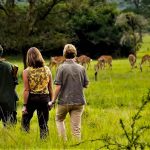
Can I Do a Private Safari in Uganda?
April 13, 2026What’s the Minimum Age for Gorilla Trekking in Uganda?
What’s the Minimum Age for Gorilla Trekking in Uganda? Uganda offers one of Africa’s most captivating safari destinations, combining breathtaking landscapes, diverse wildlife, and rich cultural heritage. Travelers often begin their journey by understanding key regulations, including age limits for iconic activities like gorilla trekking. These rules ensure safety, conservation, and meaningful encounters in the wild.
Uganda’s safari experience stands apart due to its rare mountain gorillas, lush rainforests, and welcoming communities. The country provides a unique blend of adventure and authenticity that appeals to global travelers. From the dense jungles of Bwindi to the volcanic landscapes of Mgahinga, Uganda creates unforgettable moments for nature lovers.
Understanding What’s the Minimum Age for Gorilla Trekking in Uganda forms the foundation of responsible tourism. The Uganda Wildlife Authority sets the minimum age at 15 years to protect both visitors and gorillas. This regulation reflects Uganda’s commitment to conservation and sustainable tourism practices. Every safari itinerary benefits from this knowledge, ensuring smooth planning and compliance.
East African Jungle Safaris positions this guide as a trusted resource for global travelers. The content empowers visitors with expert insights while enhancing their appreciation of Uganda’s tourism offerings.
Why Does Uganda Safari Stand Out?
Uganda distinguishes itself as the “Pearl of Africa” due to its extraordinary biodiversity and intimate wildlife encounters. Unlike traditional savannah safaris, Uganda introduces travelers to dense forests, mist-covered mountains, and rare primate experiences.
Gorilla trekking forms the highlight of Uganda’s tourism industry. Visitors walk through thick jungle terrain to observe mountain gorillas in their natural habitat. This immersive experience requires physical endurance, emotional readiness, and adherence to strict guidelines, including the age restriction. The 15-year minimum ensures participants possess the maturity needed for such encounters.
Uganda also offers diverse ecosystems within a compact area. Travelers can explore savannah parks, wetlands, and tropical forests in a single trip. This variety enhances the appeal of Uganda safaris for international visitors seeking multi-dimensional experiences.
Another unique feature includes community-based tourism initiatives. Local communities actively participate in conservation and tourism activities. Travelers engage with traditional cultures, learn local crafts, and experience authentic African lifestyles. These interactions deepen the safari experience beyond wildlife viewing.
East African Jungle Safaris highlights these distinctive elements to strengthen Uganda’s position as a leading safari destination.
What Wildlife Can You Expect on a Uganda Safari?
Uganda hosts an impressive array of wildlife species, making it one of Africa’s most diverse safari destinations. The country boasts over 1,000 bird species, numerous mammals, and rare primates.
Mountain gorillas remain the most sought-after wildlife attraction. These gentle giants live in the forests of Bwindi and Mgahinga, offering a once-in-a-lifetime encounter. The age restriction ensures visitors interact responsibly with these endangered animals. Young children may struggle with the physical demands and behavioral discipline required during trekking.
Uganda also features chimpanzees, golden monkeys, elephants, lions, and leopards. National parks such as Queen Elizabeth and Murchison Falls provide classic game drives. Visitors can witness predators in action and enjoy scenic landscapes.
Birdwatchers find Uganda especially rewarding due to its incredible avian diversity. Wetlands, forests, and lakes attract rare species, making Uganda a global birding hotspot.
The country’s conservation efforts protect these ecosystems and wildlife populations. Visitors contribute to these efforts through park fees and responsible tourism practices.
East African Jungle Safaris emphasizes wildlife education as part of every safari experience. This approach builds awareness and appreciation among travelers.
What Activities Define a Uganda Safari Experience?
Gorilla trekking remains the flagship activity, but Uganda offers many other adventures that cater to different interests and age groups.
Visitors can enjoy chimpanzee tracking in Kibale Forest, providing an exciting alternative for younger travelers who meet age requirements. Game drives allow guests to explore savannah landscapes while observing wildlife from vehicles. Boat safaris along the Nile River and Kazinga Channel offer unique perspectives of animals and birdlife.
Hiking enthusiasts can explore mountain ranges such as the Rwenzori Mountains. Nature walks provide opportunities to experience Uganda’s flora and fauna up close. Cultural tours introduce visitors to local traditions, dances, and cuisines.
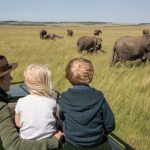
Families traveling with children under 15 can still enjoy a fulfilling safari experience. Alternative activities ensure that younger visitors remain engaged while respecting the gorilla trekking age limit.
Adventure seekers can also experience white-water rafting on the Nile. This activity adds excitement to a Uganda safari itinerary.
East African Jungle Safaris designs tailored itineraries that consider age restrictions and traveler preferences.
How Does Uganda Address Conservation and Challenges?
The age restriction protects mountain gorillas from stress and disease transmission. Gorillas share genetic similarities with humans, making them vulnerable to human illnesses.
Uganda Wildlife Authority enforces strict guidelines to ensure sustainable tourism. Visitors must maintain a safe distance from gorillas and follow ranger instructions. These measures preserve the natural behavior of wildlife.
Conservation efforts also involve local communities. Revenue from tourism supports education, healthcare, and infrastructure development. This approach encourages communities to protect wildlife rather than exploit it.
However, challenges still exist. Habitat loss, climate change, and illegal poaching threaten wildlife populations. Conservation organizations work tirelessly to address these issues through research and community engagement.
Tourism plays a vital role in funding conservation initiatives. Responsible travelers contribute to these efforts by respecting rules and supporting eco-friendly practices.
How Can Travelers Reach Uganda Safari Destinations?
International travelers typically arrive through Entebbe International Airport, which serves as Uganda’s main gateway. From there, visitors can access various national parks by road or domestic flights.
Road travel offers scenic views of Uganda’s countryside, including rolling hills and rural villages. Domestic flights provide quicker access to remote parks like Bwindi and Mgahinga. Travelers can choose options based on time, budget, and comfort.
Visa requirements remain straightforward for most nationalities. Uganda offers an e-visa system that simplifies the application process. Health requirements include vaccinations and travel insurance for a safe journey.
Tour operators like East African Jungle Safaris provide comprehensive travel support. They arrange transportation, permits, and accommodations for a seamless experience.
Accommodation in Uganda Safari
Safari lodges near Bwindi and Mgahinga cater to travelers participating in gorilla trekking. These lodges range from luxury to budget options, ensuring accessibility for different travelers.
Luxury lodges offer premium services, including private guides, fine dining, and scenic views. Mid-range lodges provide comfort and convenience, while budget accommodations ensure affordability.
Many lodges emphasize eco-friendly practices. They use sustainable materials, support local communities, and minimize environmental impact. Guests enjoy immersive experiences while contributing to conservation efforts.
Cultural experiences form an integral part of lodge stays. Visitors can participate in traditional dances, storytelling sessions, and village tours. These activities enrich the safari experience and create meaningful connections.
Families traveling with children can select lodges that offer family-friendly amenities. Staff often organize activities suitable for younger guests.
When Is the Best Time to Visit Uganda Safari? Best Time to Visit Uganda Safari
What’s the Minimum Age for Gorilla Trekking in Uganda remains relevant regardless of the travel season. However, timing plays a crucial role in enhancing the safari experience. Uganda offers year-round tourism opportunities due to its equatorial climate.
Dry seasons, from June to September and December to February, provide ideal conditions for gorilla trekking. Trails remain less slippery, making hikes more manageable. Wildlife viewing also improves during these periods.
Wet seasons bring lush landscapes and fewer crowds. Birdwatchers benefit from increased bird activity during these months. However, trekking conditions may become more challenging due to muddy trails.
Travelers should consider personal preferences when choosing the best time to visit. Some prefer peak seasons for optimal conditions, while others enjoy quieter experiences during off-peak periods.
Conclusion: Why Does the Minimum Age Matter for Uganda Safari Success?
What’s the Minimum Age for Gorilla Trekking in Uganda serves as more than just a rule. It represents Uganda’s dedication to conservation, safety, and high-quality tourism experiences. The 15-year age requirement ensures that visitors engage responsibly with mountain gorillas while protecting these endangered species.
Uganda’s safari experience extends beyond gorilla trekking. It includes diverse wildlife, rich cultural interactions, and breathtaking landscapes. Travelers gain a deeper understanding of Africa’s natural beauty and conservation efforts.
East African Jungle Safaris positions itself as a trusted authority in African tourism. This guide reflects expertise, reliability, and a commitment to delivering valuable insights.
Understanding What’s the Minimum Age for Gorilla Trekking in Uganda empowers travelers to plan responsibly. It ensures compliance with regulations while enhancing the overall safari experience.
Uganda continues to attract global travelers seeking authentic and meaningful adventures. With proper planning and awareness, every visitor can enjoy a safe, enriching, and unforgettable journey into the heart of Africa.
