

Can I Visit Local Communities on a Uganda Safari?
April 10, 2026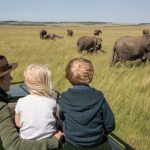
Can I Do a Safari in Uganda with Kids?
April 10, 2026What’s the Best Way to Support Local Ugandan Communities?
Uganda offers more than scenic landscapes and wildlife encounters. The country provides an opportunity to connect with communities and contribute to sustainable development.
East African Jungle Safaris believes that tourism should uplift people and protect heritage. A Uganda safari becomes more valuable when it directly benefits local communities. Travelers can support education, healthcare, and economic growth through thoughtful decisions during their trip.
Responsible tourism strengthens trust between visitors and host communities. It also enhances the authenticity of the travel experience. Visitors gain deeper insights into local life while contributing to meaningful change.
Overview of Uganda Safari
A Uganda safari combines adventure with purpose. Uganda’s tourism routes pass through diverse regions where communities depend on agriculture, crafts, and small businesses. Travelers influence these economies through their spending choices and interactions. Supporting local guides, artisans, and service providers creates direct economic benefits.
Visitors often begin their journey in Kampala, where local markets and cultural centers offer opportunities to support small businesses. Purchasing handmade crafts and local products helps sustain traditional skills and livelihoods.
Community-based tourism forms a core part of Uganda’s safari experience. This model ensures that a portion of tourism revenue remains within local communities. It also promotes cultural preservation and environmental conservation.
East African Jungle Safaris designs itineraries that prioritize community engagement. This approach ensures travelers contribute positively while enjoying a rich and authentic safari experience. Supporting local communities becomes an integral part of the journey rather than an optional activity.
Unique Features of Uganda Safari
Uganda stands out for its ability to blend wildlife tourism with community development. One effective method involves supporting women-led cooperatives. These groups produce crafts, textiles, and agricultural products that reflect local culture. Purchasing these items empowers women and strengthens community resilience.
Another approach focuses on agricultural support. Travelers and organizations can contribute by funding seeds, tools, and training programs. These initiatives improve food security and income stability for rural families.
Clean water projects also play a vital role. Supporting the construction of boreholes ensures access to safe drinking water. This investment improves health and reduces the burden on women and children who often collect water.
Education initiatives provide long-term benefits. Supporting schools, scholarships, and learning materials helps build future opportunities for young people. Visitors can engage with these programs through guided visits and donations.
These unique features make Uganda a leader in responsible tourism. East African Jungle Safaris integrates these opportunities into safari experiences, ensuring travelers make a meaningful impact while exploring the country.
Wildlife in Uganda Safari
Uganda’s wildlife attractions draw global attention. National parks such as Bwindi Impenetrable National Park and Queen Elizabeth National Park depend on community support for conservation success. Local communities play a crucial role in protecting wildlife and natural habitats.
Supporting community tourism projects near these parks creates alternative income sources. This reduces reliance on activities that may harm the environment. Visitors can participate in guided village tours, cultural performances, and craft workshops.
Revenue from tourism often funds schools, healthcare facilities, and conservation programs. Travelers contribute directly by choosing responsible tour operators and participating in community activities.
Additionally, hiring local guides enhances the safari experience while supporting employment. These guides provide valuable knowledge about wildlife and local culture.
East African Jungle Safaris ensures that every wildlife experience includes opportunities to support surrounding communities. This approach strengthens conservation efforts while improving local livelihoods.
Activities in Uganda Safari
Safari activities offer numerous opportunities for community support. Cultural activities such as village walks and traditional dance performances provide direct income for communities. Visitors engage with local traditions while supporting cultural preservation.
Cooking classes offer another meaningful experience. Travelers learn to prepare traditional dishes using local ingredients. This activity supports local farmers and promotes culinary heritage.
Craft workshops allow visitors to purchase handmade items directly from artisans. These purchases provide fair income and encourage the continuation of traditional skills.
Supporting local health clinics and community projects also creates lasting impact. Travelers can contribute through donations or participation in organized visits.
Eco-friendly activities further support sustainability. Choosing low-impact tours and respecting local environments ensures long-term benefits for communities and ecosystems.
East African Jungle Safaris curates activities that balance enjoyment with responsibility. This approach ensures travelers contribute positively while experiencing Uganda’s rich culture and natural beauty.
Accommodation in Uganda Safari
Accommodation choices significantly influence community support. Many lodges in Uganda operate with strong community partnerships. These establishments employ local staff, source local products, and invest in community projects. Staying at such lodges ensures that tourism revenue benefits nearby communities.
Lodges near Bwindi Impenetrable National Park often support education and healthcare initiatives. Guests can visit these projects and learn about their impact.
Cultural experiences organized by lodges provide additional support. These include traditional performances, storytelling sessions, and guided community visits. Participation in these activities contributes directly to local income.
Sustainable practices also play a key role. Lodges that use renewable energy, manage waste responsibly, and conserve water support environmental protection.
East African Jungle Safaris partners with accommodations that align with these values. This ensures travelers enjoy comfort while contributing to sustainable development and community well-being.
Getting to Uganda Safari
Travel begins the moment visitors arrive in Uganda. Upon landing at Entebbe International Airport, travelers can choose local transport providers and guides. This supports employment and strengthens the local economy.
Visiting local markets and purchasing goods from small vendors creates immediate economic impact. These interactions also provide cultural insights and meaningful connections.
Travelers should respect local customs and traditions. This fosters positive relationships and enhances the overall experience. Learning basic greetings and cultural practices shows appreciation for local culture.
Supporting local restaurants and food vendors also contributes to community income. These establishments offer authentic cuisine and unique dining experiences.
East African Jungle Safaris provides guidance on responsible travel practices from arrival. This ensures travelers make informed decisions that benefit local communities throughout their journey.
Best Time to Visit Uganda Safari
Timing influences travel experiences and community support. Uganda welcomes visitors year-round, with each season offering unique opportunities. During peak seasons, increased tourism generates higher income for communities. Travelers contribute by participating in activities and supporting local businesses.
During off-peak seasons, community support becomes even more important. Visiting during these periods helps maintain steady income for local businesses and workers.
Seasonal activities such as festivals and agricultural events provide additional opportunities for engagement. Travelers can align their visits with these events to enhance their experience and support local culture.
Weather conditions may influence travel plans, but community support remains consistent. Choosing responsible operators and activities ensures positive impact regardless of timing.
East African Jungle Safaris offers expert advice on planning visits that maximize both enjoyment and community benefits throughout the year.
Conservation and Challenges
Sustainable tourism requires awareness of challenges and opportunities. Communities near wildlife areas face challenges such as limited resources and human-wildlife conflict. Supporting conservation initiatives helps address these issues. Tourism revenue funds education, healthcare, and environmental protection programs.
Investing in clean water infrastructure improves health and quality of life. Supporting borehole projects ensures access to safe water for communities.
Empowering women through cooperatives and education programs strengthens economic stability. These initiatives create opportunities for leadership and independence.
Travelers play a key role in promoting sustainability. Choosing ethical tour operators and respecting local environments ensures positive outcomes.
East African Jungle Safaris prioritizes sustainable tourism practices. This approach ensures that every safari contributes to conservation and community development.
Conclusion: What’s the Best Way to Support Local Ugandan Communities on a Meaningful Safari?
The answer remains clear and impactful. Supporting local Ugandan communities requires conscious, sustainable actions throughout the safari journey. Travelers can make a difference through their choices and interactions.
Uganda offers a unique opportunity to combine adventure with purpose. Visitors engage with communities, support local economies, and contribute to long-term development.
East African Jungle Safaris stands as a trusted partner in this journey. With expertise, authenticity, and commitment to excellence, the brand ensures every traveler experiences Uganda responsibly.
By supporting local communities, travelers create meaningful connections and lasting impact. This approach transforms a Uganda safari into a journey of discovery, responsibility, and inspiration.
