
How Long Should a Cultural Trip Be?
March 7, 2026What Should I Wear or Bring for an Authentic Cultural Experience?
March 9, 2026Discover the Key Cultural Groups to Visit with East African Jungle Safaris
Tanzania Cultural Safaris reveal a deeper side of Africa beyond wildlife viewing. Travelers connect with living traditions, ancient lifestyles, and remarkable indigenous communities. Many visitors first imagine Africa through its famous wildlife parks. However, true cultural understanding begins when travelers engage with local communities.
East Africa preserves some of the world’s oldest living cultures. Tanzania stands out as a cultural treasure within the region. Over 120 ethnic groups live within the country’s borders. Each group holds unique traditions, languages, crafts, and spiritual beliefs.
Tanzania Cultural Safaris allow travelers to experience these cultures respectfully and meaningfully. Cultural safaris introduce travelers to daily life within traditional communities. Visitors learn traditional skills, hear ancient stories, and observe customs passed through generations.
East African Jungle Safaris designs immersive journeys that highlight authentic cultural experiences. These safaris focus on respectful interaction, community empowerment, and meaningful cultural exchange.
Several communities attract global travelers seeking authentic experiences. The Maasai, Hadzabe, and Datoga communities remain among the most visited cultural groups in Tanzania. These communities live around the Ngorongoro region and Lake Eyasi. Each community offers unique insights into ancient African lifestyles.
This article explores the highlights of Tanzania Cultural Safaris, the key cultural groups to visit, and the unforgettable experiences awaiting travelers. The guide also answers common travel questions, including what to expect, how much permits cost, what to pack, and why East African Jungle Safaris remains a trusted operator for Tanzania cultural adventures.
What Can Travelers Expect From This Cultural Journey?
Tanzania Cultural Safaris focus on authentic interaction with local communities rather than staged performances. Travelers step into real village life and witness traditions that remain active today.
Visitors join daily activities alongside community members. These experiences often include livestock herding, traditional hunting demonstrations, craft making, and storytelling gatherings.
Many cultural tours take place near Lake Eyasi and the Ngorongoro Highlands. These areas host some of Tanzania’s most culturally preserved communities.
Local guides from the communities lead most activities. This approach ensures respectful engagement and cultural accuracy. Travelers gain deeper understanding through direct conversation and shared experiences.
Cultural learning forms the heart of Tanzania Cultural Safaris. Visitors learn about ancient survival techniques, community leadership systems, and traditional medicine practices. These insights offer perspectives rarely found in modern cities.
Travelers also explore cultural landscapes. Traditional homesteads, cattle enclosures, and craft workshops reveal how culture shapes daily life. Cultural dances and music often conclude community visits.
East African Jungle Safaris carefully designs each experience to protect cultural dignity. Visitors participate in responsible tourism that benefits local communities.
These experiences transform simple sightseeing into meaningful cultural discovery. Tanzania Cultural Safaris therefore create lasting memories while preserving traditional African heritage.
Which Key Cultural Groups Should Travelers Visit?
Three communities represent the most popular cultural encounters during Tanzania Cultural Safaris. These include the Maasai pastoralists, the Hadzabe hunter-gatherers, and the Datoga blacksmiths.
Each community represents a unique way of life that has survived centuries of change.
The Maasai Community
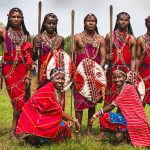
The Maasai remain among East Africa’s most recognizable cultural groups. Their tall red garments, intricate beadwork, and cattle-centered lifestyle define their identity.
Maasai communities live across northern Tanzania and southern Kenya. Many villages sit near the Ngorongoro Conservation Area and Serengeti ecosystem.
Visitors on Tanzania Cultural Safaris enter traditional Maasai villages known as “bomas.” These villages contain circular houses built with mud, sticks, and cow dung.
Maasai elders explain the importance of cattle in their culture. Cattle represent wealth, food security, and spiritual connection.
Visitors often watch the famous Maasai jumping dance. This energetic dance symbolizes strength and warrior pride.
Cultural visits also include demonstrations of beadwork making. Maasai women craft colorful necklaces and bracelets with symbolic meanings.
These experiences offer powerful insights into pastoralist lifestyles within Tanzania Cultural Safaris.
The Hadzabe Hunter-Gatherers
The Hadzabe people represent one of the last hunter-gatherer communities in Africa. They live around Lake Eyasi in northern Tanzania.
The Hadzabe lifestyle has remained largely unchanged for thousands of years. They depend on wild foods rather than agriculture or livestock.
Travelers on Tanzania Cultural Safaris join Hadzabe hunters at sunrise. The hunters carry bows and poison-tipped arrows during their forest expeditions.
Guides demonstrate how the Hadzabe track animals through footprints and broken branches. These skills reveal extraordinary knowledge of nature.
Honey collection remains another highlight of Hadzabe culture. Hunters locate wild bee nests using bird calls and forest signs.
The Hadzabe language includes unique click sounds rarely heard elsewhere. Listening to this language offers a fascinating linguistic experience.
Travelers also learn how the Hadzabe gather berries, tubers, and medicinal plants. These skills demonstrate survival techniques perfected over centuries.
Tanzania Cultural Safaris therefore introduce travelers to one of the world’s oldest human lifestyles.
The Datoga Metalworking Community
The Datoga people live close to the Hadzabe communities near Lake Eyasi. They practice traditional blacksmithing and pastoralism.
Datoga craftsmen produce tools, jewelry, and arrowheads using handmade furnaces. Their metalworking skills have supported regional communities for generations.
Visitors on Tanzania Cultural Safaris observe the entire blacksmithing process. Craftsmen melt metal over charcoal fires and shape tools using stone anvils.
Datoga women also wear beautiful facial scarification patterns and brass jewelry. These markings represent cultural identity and beauty traditions.
Travelers often visit Datoga homes and learn about family structures and livestock traditions. Community leaders explain their cultural history and survival strategies.
These experiences enrich the cultural diversity of Tanzania Cultural Safaris.
What Are the Best Places in Tanzania for Cultural Experiences?
Lake Eyasi and Ngorongoro Cultural Landscapes
The northern Tanzania region hosts the richest cultural safari experiences. Two areas stand out as exceptional destinations for Tanzania Cultural Safaris.
Lake Eyasi Cultural Region
Lake Eyasi lies southwest of the Ngorongoro Highlands. The region hosts both Hadzabe and Datoga communities.
Travelers enjoy early morning hunting walks with the Hadzabe. Afternoon visits introduce the Datoga metalworking traditions.
The landscape includes acacia forests, dry lakebeds, and volcanic hills. These environments shape traditional survival methods.
Small eco-lodges around Lake Eyasi provide comfortable bases for cultural exploration.
Ngorongoro Cultural Landscapes
The Ngorongoro Highlands host large Maasai populations. Visitors often combine wildlife safaris with cultural visits.
Maasai villages near the Ngorongoro Conservation Area welcome cultural travelers. Visitors learn about livestock management in challenging environments.
Traditional cattle grazing patterns coexist with wildlife conservation programs. These interactions demonstrate successful community-conservation partnerships.
Both regions form essential stops on Tanzania Cultural Safaris.
What Cultural Experiences Can Travelers Enjoy Around Safari Lodges?
Many safari lodges organize cultural activities that support nearby communities. These experiences enhance Tanzania Cultural Safaris while supporting local livelihoods.
Travelers often visit nearby villages to observe daily routines. Women demonstrate traditional cooking techniques using local ingredients.
Guests also learn how communities grind grain with stone tools. These activities reveal the effort behind traditional food preparation.
Handicraft workshops present another cultural highlight. Local artisans demonstrate beadwork, weaving, and carving techniques.
Music and dance performances often occur during evening gatherings. These celebrations highlight cultural pride and storytelling traditions.
Guided nature walks also reveal traditional medicinal plants. Local elders explain how communities use these plants for healing.
These cultural activities enrich Tanzania Cultural Safaris by connecting travelers with everyday community life.
How Much Are the Cultural Permits and Community Fees?
Cultural visits typically require community entry fees rather than government permits. These fees support village development projects.
Maasai village visits often cost between 20 and 50 USD per person. Hadzabe and Datoga experiences around Lake Eyasi may range from 40 to 80 USD.
Prices vary depending on the activity and group size. Guided hunting walks and extended cultural programs may include additional costs.
East African Jungle Safaris includes these fees within most cultural safari packages. This approach simplifies travel planning and ensures fair community payments.
Responsible tourism ensures local communities benefit directly from Tanzania Cultural Safaris.
What Should Travelers Pack for Cultural Experiences?
Travelers often ask: What can I pack for Tanzania Cultural Safaris?
Comfortable and respectful clothing remains essential. Lightweight long-sleeve shirts and breathable trousers work best in rural environments.
Neutral colors help travelers blend naturally into community settings.
Comfortable walking shoes support village walks and cultural exploration.
Sun protection remains important in Tanzania’s strong sunlight. A hat, sunscreen, and sunglasses improve comfort during outdoor activities.
Travelers should also carry a reusable water bottle, camera, and small backpack.
Gifts such as school supplies can support local communities. However, guides should coordinate these donations responsibly.
Thoughtful packing improves the experience of Tanzania Cultural Safaris.
Can Travelers Combine Uganda Cultural Safaris with Tanzania Cultural Safaris?
The answer remains yes. East Africa offers incredible cross-border cultural experiences.
Uganda introduces travelers to diverse cultures including the Batwa forest communities and the Karamojong pastoralists.
Combining both countries creates a broader cultural journey across East Africa.
Travelers may begin with gorilla trekking in Uganda’s rainforest regions. The journey then continues into Tanzania’s cultural landscapes.
East African Jungle Safaris specializes in multi-country cultural itineraries. These journeys reveal the cultural richness of the entire region.
This approach transforms Tanzania Cultural Safaris into a larger East African cultural expedition.
What Accommodations Support Cultural Travel?
Comfortable accommodation enhances Tanzania Cultural Safaris while maintaining cultural authenticity.
Many lodges near Lake Eyasi focus on community-friendly tourism. These eco-lodges employ local staff and support village programs.
Guests enjoy comfortable rooms with views of the surrounding landscapes.
Traditional architecture often inspires lodge design. Thatched roofs and natural materials create authentic safari atmospheres.
Some lodges also organize cultural workshops and storytelling evenings.
East African Jungle Safaris carefully selects accommodations that respect cultural values and environmental sustainability.
These lodges allow travelers to relax while remaining connected to local culture.
Why Choose East African Jungle Safaris for This Experience?
East African Jungle Safaris focuses on authentic, ethical, and immersive cultural tourism.
The company works closely with local communities to design respectful cultural experiences.
Local guides share personal knowledge of traditions, history, and daily life.
The company also ensures fair financial benefits reach the communities involved.
This commitment builds trust between travelers and local hosts.
East African Jungle Safaris also provides expert logistics, comfortable accommodations, and personalized itineraries.
Travelers therefore enjoy smooth journeys while experiencing meaningful cultural connections.
Through these principles, Tanzania Cultural Safaris become powerful journeys of learning, respect, and cultural appreciation.
Tanzania Cultural Safaris Reveal the Living Heritage of Africa
Tanzania Cultural Safaris open doors to Africa’s living traditions. Travelers discover communities that preserve ancient lifestyles with remarkable resilience.
The Maasai, Hadzabe, and Datoga communities represent powerful examples of cultural continuity. Their traditions continue to inspire travelers seeking authentic human connections.
Lake Eyasi and the Ngorongoro Highlands remain among the best cultural destinations in Africa.
These journeys offer far more than sightseeing. They create meaningful cultural exchange between visitors and local communities.
East African Jungle Safaris proudly guides travelers through these remarkable experiences. The company remains committed to responsible tourism and cultural preservation.
For travelers seeking authentic cultural discovery, Tanzania Cultural Safaris offer one of the most rewarding journeys in Africa.
