
Are There Any Health Risks on a Uganda Safari?
April 7, 2026
What’s the Best Time for Hiking in Uganda?
April 7, 2026Can I Use Local Transport for Getting Around Uganda?
A Uganda safari offers diverse travel experiences that extend beyond wildlife and landscapes. Many travelers often ask, Can I use local transport for getting around Uganda on a Uganda safari? The answer remains a confident yes, especially for travelers seeking affordability and authentic cultural immersion. Local transport provides a practical way to explore Uganda while connecting with everyday life across towns and rural areas.
Moreover, Uganda’s transport system reflects the country’s vibrant culture and dynamic economy. Travelers can move between destinations using shared minivans, buses, and motorcycle taxis. Each option offers a unique perspective of the country’s daily rhythm. East African Jungle Safaris encourages informed travel decisions by guiding clients on the best transport choices based on comfort, safety, and itinerary.
Additionally, local transport allows travelers to experience Uganda beyond traditional safari routes. This approach creates deeper connections with communities and landscapes. Understanding how local transport works ensures a smooth and enriching Uganda safari experience. This guide explores all aspects of using local transport while answering key travel questions.
Overview of Uganda Safari
A Uganda safari combines wildlife exploration with cultural discovery and logistical planning. Uganda offers a well-connected transport network that supports both local and international travelers. Local transport serves as the backbone of daily movement across cities, towns, and rural areas.
Furthermore, shared minivan taxis, commonly known as matatus, operate on fixed routes and connect major towns efficiently. These vehicles provide affordable travel for short to medium distances. For longer journeys, buses link regions across the country, offering reliable and cost-effective options.
East African Jungle Safaris integrates transport planning into every safari itinerary. This approach ensures that travelers experience both convenience and authenticity. While local transport works well for independent travelers, guided safari vehicles offer greater comfort and flexibility for wildlife exploration.
Additionally, Uganda’s road network continues to improve, enhancing accessibility to national parks and remote destinations. This development strengthens the role of local transport in tourism. Understanding these options helps travelers choose the best way to navigate their Uganda safari.
Unique Features of Uganda Safari
A Uganda safari stands out for its cultural richness and immersive travel opportunities. Local transport enhances the authenticity of the travel experience by exposing visitors to everyday Ugandan life.
One unique feature includes the widespread use of boda-bodas, which are motorcycle taxis ideal for short urban trips. These vehicles navigate traffic quickly and provide flexible transport solutions. Travelers can explore local markets, neighborhoods, and cultural sites with ease.
Additionally, matatus create a social travel environment where passengers interact and share experiences. This interaction offers insight into local culture and traditions. East African Jungle Safaris encourages responsible use of local transport to enhance cultural understanding.
Another unique feature involves the scenic routes that buses and taxis follow. Travelers enjoy views of rolling hills, farmlands, and vibrant communities along the journey. This visual experience adds value to the Uganda safari.
Using local transport transforms travel into an interactive experience. It allows visitors to engage with Uganda beyond tourist attractions while maintaining affordability.
Wildlife in Uganda Safari
Wildlife remains central to every Uganda safari experience. While local transport connects major towns, accessing national parks often requires additional planning.
For example, travelers can use buses or matatus to reach towns near parks such as Queen Elizabeth National Park. From these towns, travelers may hire private vehicles or join guided tours to enter the parks. This combination allows budget-conscious travelers to reduce costs.
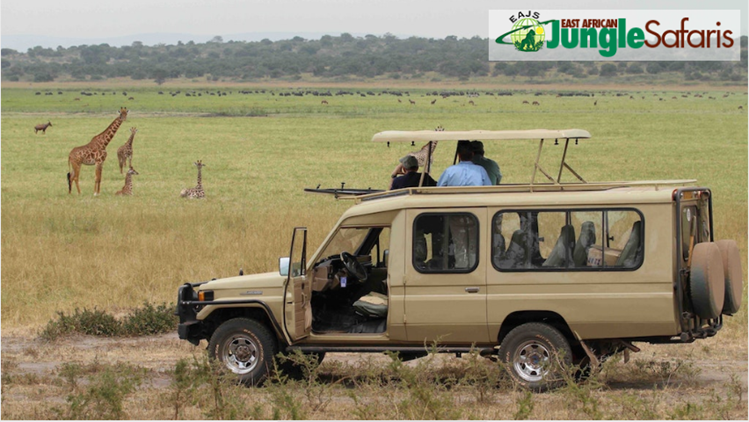
East African Jungle Safaris recommends guided safari vehicles for wildlife activities. These vehicles provide safety, comfort, and better viewing opportunities. Local transport lacks the specialized design required for game drives and off-road travel.
Additionally, wildlife areas often lie in remote locations with limited public transport access. Travelers must plan carefully to ensure smooth connections. Despite these limitations, local transport still plays a role in reaching gateway towns.
Combining local transport with guided safari services creates a balanced travel approach. This strategy ensures both affordability and a high-quality wildlife experience.
Activities in Uganda Safari
A Uganda safari includes diverse activities that require efficient transport planning. Can I use local transport for getting around Uganda while participating in safari activities? Local transport supports access to cultural and urban experiences but may not suit all safari activities.
For instance, travelers can use boda-bodas to explore local markets, cultural centers, and nearby attractions. These short trips provide flexibility and affordability. East African Jungle Safaris encourages travelers to use these options for non-safari excursions.
However, activities such as gorilla trekking in Bwindi Impenetrable National Park require organized transport. Guided vehicles ensure timely arrival and proper coordination with park authorities.
Additionally, chimpanzee tracking in Kibale National Park involves early departures and structured schedules. Local transport may not align with these requirements.
Therefore, travelers should combine local transport with professional safari services. This approach ensures smooth participation in all planned activities. Proper planning enhances both convenience and overall experience.
Conservation and Challenges
Sustainability plays a key role in Uganda’s tourism sector. Local transport contributes positively by reducing the environmental impact of travel.
Shared vehicles such as buses and matatus lower carbon emissions compared to private cars. This efficiency supports eco-friendly travel practices. East African Jungle Safaris promotes responsible tourism that aligns with conservation goals.
However, challenges exist within the local transport system. Overcrowding, inconsistent schedules, and limited infrastructure can affect travel comfort. Travelers should prepare for these conditions and plan accordingly.
Additionally, road conditions in remote areas may vary, especially during rainy seasons. This factor can influence travel time and accessibility. Despite these challenges, local transport remains a valuable option for budget travelers.
Balancing sustainability with convenience requires informed decision-making. Travelers who understand these dynamics can enjoy a responsible and rewarding Uganda safari experience.
Getting to Uganda Safari
Travel logistics shape the overall Uganda safari experience. International travelers typically arrive through Entebbe International Airport, which serves as the main entry point.
From the airport, travelers can access Kampala and other using taxis or shuttle services. Local buses and matatus then connect travelers to various regions across the country. East African Jungle Safaris assists clients in organizing efficient transfers.
Additionally, long-distance buses provide affordable travel between major cities. These services operate regularly and connect key. Travelers should choose reputable bus companies for safety and reliability.
For remote safari destinations, combining local transport with private transfers offers the best solution. This approach ensures both affordability and convenience.
Understanding transport options from arrival to destination enhances travel efficiency. Proper planning allows travelers to navigate Uganda with confidence and ease.
Accommodation in Uganda Safari
Accommodation choices influence transport decisions during a Uganda safari. Many lodges sit near towns accessible by local transport, making them reachable for budget travelers.
For example, travelers can use matatus to reach areas near Bwindi Impenetrable National Park. From there, short private transfers connect guests to lodges. East African Jungle Safaris ensures smooth coordination between transport and accommodation.
Additionally, budget lodges often sit closer to towns, making them more accessible by public transport. Luxury lodges may require private transfers due to remote locations.
Moreover, accommodations often assist with transport arrangements for guests. This service simplifies travel logistics and enhances convenience.
Choosing the right accommodation helps optimize transport costs and accessibility. Travelers can enjoy a comfortable stay while maintaining budget efficiency.
Best Time to Visit Uganda Safari
Seasonal conditions affect transport reliability during a Uganda safari. Local transport operates year-round, but weather conditions may influence travel efficiency.
During dry seasons, road conditions improve, making travel smoother and faster. Travelers can rely more on buses and matatus during this period. East African Jungle Safaris recommends this season for easier navigation.
In contrast, rainy seasons may affect road accessibility, especially in rural areas. Travelers should allow extra time for journeys and plan flexible schedules.
Additionally, demand for transport increases during peak travel seasons. Early planning helps secure reliable options. Understanding seasonal variations allows travelers to make informed decisions.
Choosing the right time enhances both transport reliability and overall safari experience. Proper timing ensures a smoother and more enjoyable journey.
Cultural Experiences Around Safari Lodges
Cultural exploration forms an essential part of a Uganda safari. Local transport provides direct access to communities, markets, and cultural sites near safari lodges.
Travelers can use boda-bodas to visit nearby villages and participate in traditional activities. These experiences include dance performances, craft-making, and storytelling sessions. East African Jungle Safaris encourages respectful engagement with local communities.
Additionally, local markets offer opportunities to interact with residents and purchase handmade crafts. These visits create meaningful cultural connections.
Moreover, local transport allows travelers to explore beyond lodge and discover hidden cultural gems. This flexibility enhances the authenticity of the safari experience.
Cultural immersion becomes more accessible through local transport. Travelers gain deeper insights into Uganda’s traditions and way of life.
Conclusion: Can I Use Local Transport for Getting Around Uganda on a Uganda Safari?
A Uganda safari offers diverse transport options that cater to different travel styles and budgets. Can I use local transport for getting around Uganda on a Uganda safari? Yes, local transport provides an affordable and authentic way to explore the country.
Travelers can use matatus, buses, and boda-bodas to navigate cities and towns efficiently. However, combining local transport with guided safari services ensures a complete and comfortable experience. East African Jungle Safaris supports travelers in making informed transport decisions.
Moreover, local transport enhances cultural immersion and supports sustainable travel practices. Despite some challenges, proper planning ensures a smooth journey.
Uganda continues to offer accessible and enriching travel experiences for global visitors. Choosing the right transport options transforms a simple trip into a meaningful adventure.
