

How Can I Support Local Communities on a Kenya Cultural Safaris Experience?
March 7, 2026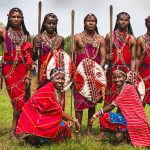
How Long Should a Cultural Trip Be?
March 7, 2026Are Cultural Visits Safe?
A Kenya Cultural Safaris experience offers travelers a powerful opportunity to explore Africa beyond wildlife landscapes. Cultural travel introduces visitors to vibrant communities, ancestral traditions, and meaningful human connections across Kenya.
Cultural encounters remain safe when responsible tour operators design the experience carefully. Professional safari planners collaborate closely with local communities and trained guides. These partnerships create structured, respectful visits that benefit both travelers and residents. A well-organized Kenya Cultural Safaris itinerary allows visitors to experience local traditions comfortably and responsibly.
Communities across Kenya welcome visitors warmly. Cultural tourism supports livelihoods, education projects, conservation programs, and heritage preservation. Visitors who follow respectful etiquette enjoy rewarding experiences while building genuine cultural connections. Respect, curiosity, and cultural awareness strengthen every interaction during a Kenya Cultural Safaris journey.
Safari companies such as East African Jungle Safaris prioritize visitor safety and community well-being. Expert guides prepare travelers before each visit and explain cultural customs clearly. Guests therefore enter villages confidently while respecting traditions and social values.
This comprehensive guide explores safety during cultural encounters and explains what travelers can expect on a Kenya Cultural Safaris adventure. It also highlights cultural destinations, packing tips, permits, accommodations, and opportunities to combine regional cultural journeys across East Africa.
Why Cultural Visits Remain Safe on a Kenya Cultural Safaris Adventure
Community Partnerships Ensure Visitor Safety
Safety forms a key foundation of every Kenya Cultural Safaris experience. Responsible safari operators establish strong partnerships with communities that host cultural visits. Local leaders and tourism groups coordinate each activity carefully. These partnerships guarantee respectful interactions between travelers and residents.
Communities in regions such as Maasai Mara and Samburu participate actively in tourism programs. Villages organize visitor experiences through community committees. These committees manage schedules, guides, and cultural demonstrations.
Local guides accompany travelers throughout the visit. They explain traditions, translate languages, and guide respectful engagement. This structure creates a safe environment for both guests and community members during a Kenya Cultural Safaris journey.
Welcoming Communities and Respectful Etiquette
Kenyan communities value hospitality deeply. Cultural traditions emphasize welcoming visitors and sharing knowledge about heritage and daily life. Guests who observe respectful etiquette receive warm and friendly interactions.
Visitors should greet elders politely, dress modestly, and ask permission before photography. These simple actions build trust and mutual respect during cultural visits. Such respectful behavior enhances safety and strengthens cultural understanding.
Professional Safari Planning
Reputable safari companies like East African Jungle Safaris organize all community visits professionally. Guides prepare travelers with cultural briefings before entering villages. They also remain present throughout each activity to assist communication and ensure comfort.
As a result, a Kenya Cultural Safaris experience becomes both safe and deeply enriching for global travelers.
What Can I Expect in a Kenya Cultural Safaris Experience?
Authentic Cultural Immersion
Travelers who embark on a Kenya Cultural Safaris adventure experience authentic immersion into diverse African cultures. Kenya hosts over forty ethnic communities with distinct customs, clothing, architecture, and traditions.
Village visits introduce guests to traditional homesteads known as Manyattas within Maasai communities near Maasai Mara National Reserve. These villages showcase traditional houses constructed from natural materials. Cultural guides explain social structures, livestock traditions, and daily routines.
Guests often witness vibrant cultural dances, warrior ceremonies, and storytelling sessions. Women demonstrate intricate beadwork techniques while elders share ancestral knowledge about community values and environmental stewardship.
Hands-On Cultural Activities
A Kenya Cultural Safaris itinerary encourages active participation rather than passive observation. Visitors engage in cooking experiences, craft workshops, and agricultural demonstrations. Local families introduce traditional ingredients and cooking methods used for generations.
Travelers also explore local markets where artisans sell handmade jewelry, textiles, baskets, and carvings. These interactions provide opportunities to support community businesses directly.
Learning Through Cultural Exchange
Every activity on a Kenya Cultural Safaris journey promotes mutual cultural exchange. Visitors learn about indigenous knowledge systems, environmental conservation practices, and traditional community leadership structures.
These experiences deepen appreciation for African heritage while fostering meaningful connections between travelers and local communities.
What Are the Best Places in Kenya for Kenya Cultural Safaris?
Maasai Cultural Landscapes
The region surrounding Maasai Mara National Reserve offers one of the most iconic Kenya Cultural Safaris experiences. The Maasai people maintain strong cultural traditions rooted in pastoral life and livestock management.
Visitors explore traditional villages, participate in warrior dance ceremonies, and observe livestock herding practices. Cultural guides explain the significance of bead colors, clothing designs, and community ceremonies.
Safari lodges in the Maasai Mara region often organize guided cultural visits alongside wildlife safaris.
Samburu Cultural Heritage
Northern Kenya presents another exceptional destination for a Kenya Cultural Safaris adventure. The communities surrounding Samburu National Reserve maintain vibrant traditions connected to semi-nomadic pastoral life.
Travelers learn about camel herding, desert survival knowledge, and unique jewelry craftsmanship. Samburu women produce elaborate bead ornaments that reflect social status and age groups.
Guests also witness energetic dances and ceremonial celebrations during village visits.
Swahili Cultural Experiences
Coastal Kenya introduces a different cultural perspective during a Kenya Cultural Safaris journey. Historic towns such as Lamu showcase Swahili culture shaped by African, Arab, and Indian influences.
Visitors explore ancient architecture, narrow streets, spice markets, and dhow-building workshops. Cultural tours reveal centuries of coastal trade history and maritime traditions.
Each region adds unique cultural depth to a Kenya Cultural Safaris experience.
How Much Are the Permits for Cultural Visits During Kenya Cultural Safaris?
Travelers planning a Kenya Cultural Safaris adventure often ask an important logistical question: How much are the permits for cultural visits?
Cultural visits usually involve community entrance contributions rather than government permits. These fees support development projects within host communities. Tourism revenue often funds schools, medical clinics, water systems, and conservation programs.
Village visits near Maasai Mara National Reserve typically cost between $20 and $40 per person. Similar cultural experiences around Samburu National Reserve follow comparable community pricing structures.
These contributions play an important role in sustainable tourism development. Communities receive direct financial benefits from hosting visitors.
Safari operators like East African Jungle Safaris include these community fees within organized safari packages. Transparent pricing ensures guests understand how tourism supports local livelihoods.
Supporting community tourism initiatives strengthens cultural preservation while enriching the Kenya Cultural Safaris experience.
What Can I Pack for a Kenya Cultural Safaris Experience?
Practical Packing for Cultural Exploration
Preparing properly enhances comfort during a Kenya Cultural Safaris adventure. Travelers should pack lightweight clothing suitable for warm climates and outdoor exploration.
Neutral colors such as khaki, olive, and beige work well during both wildlife safaris and cultural visits. Comfortable walking shoes remain essential for village walks and market explorations.
Respectful Clothing for Cultural Visits
Visitors should wear modest clothing when entering local communities. Long trousers, skirts, and covered shoulders show respect for cultural traditions.
Many travelers also carry scarves or light shawls for additional coverage during village visits.
Important Safari Essentials
Key items for a Kenya Cultural Safaris journey include sunscreen, sunglasses, hats, reusable water bottles, and cameras. Travelers should also carry small cash for purchasing handcrafted souvenirs directly from artisans.
Photography etiquette remains important. Guests should request permission before photographing individuals.
Thoughtful packing supports respectful interactions and ensures comfort throughout the Kenya Cultural Safaris experience.
The Accommodations During a Kenya Cultural Safaris Experience
Safari Lodges that Support Communities
Accommodation plays a significant role in shaping a Kenya Cultural Safaris adventure. Many lodges collaborate with nearby communities to create authentic cultural experiences.
Luxury tented camps near Maasai Mara National Reserve provide exceptional safari comfort while supporting local employment and community tourism projects.
Evening programs often include storytelling sessions, traditional dances, and cultural presentations by local community members.
Eco-Lodges in Samburu Cultural Regions
Eco-lodges around Samburu National Reserve emphasize sustainability and cultural collaboration. Guests participate in guided village walks, traditional jewelry workshops, and camel trekking experiences.
These lodges create immersive cultural environments that complement wildlife exploration.
Coastal Cultural Boutique Hotels
Historic boutique hotels in Lamu showcase Swahili architecture and heritage. Guests enjoy cooking classes, dhow sailing experiences, and guided heritage walks through ancient streets.
Such accommodations enrich the overall Kenya Cultural Safaris journey while maintaining comfort and authenticity.
Can I Combine Uganda Cultural Safaris with Kenya Cultural Safaris?
Many travelers planning a Kenya Cultural Safaris adventure wish to explore cultural diversity across East Africa. This leads to an important planning question: Can I combine Uganda Cultural Safaris with Kenya Cultural Safaris?
The answer remains yes. Multi-country cultural itineraries create deeper understanding of African traditions.
In Uganda, cultural experiences include visits to Batwa forest communities near Bwindi Impenetrable National Park. These communities share traditional forest survival knowledge and storytelling traditions.
Travelers also explore the royal heritage of Buganda Kingdom and historical sites around Kampala.
Combining these experiences with a Kenya Cultural Safaris itinerary creates a rich regional cultural journey.
East African Jungle Safaris designs seamless cross-border itineraries connecting Uganda and Kenya through efficient travel logistics and expert cultural guides.
What Does East African Jungle Safaris Offer You on a Kenya Cultural Safaris Experience?
Authentic Cultural Encounters
East African Jungle Safaris designs immersive Kenya Cultural Safaris itineraries centered around authentic cultural engagement. Travelers explore villages, artisan workshops, and cultural heritage sites guided by knowledgeable local experts.
These experiences create genuine cultural connections rather than staged tourist encounters.
Responsible Tourism Partnerships
The company collaborates directly with community leaders, conservation organizations, and local guides. Tourism revenue supports education programs, women’s cooperatives, and environmental conservation initiatives.
Such partnerships ensure that a Kenya Cultural Safaris journey benefits both travelers and host communities.
Expert Safari Planning
Experienced safari planners manage transportation, accommodations, and cultural activities across Kenya’s most remarkable destinations. Each itinerary balances cultural exploration with wildlife safaris and scenic landscapes.
Guests enjoy seamless travel experiences with professional support throughout the Kenya Cultural Safaris adventure.
Why Choose East African Jungle Safaris for Your Kenya Cultural Safaris?
Selecting the right safari company greatly influences the quality of a Kenya Cultural Safaris experience. Travelers trust East African Jungle Safaris for deep regional expertise and strong community partnerships.
The company prioritizes authenticity, safety, and responsible tourism practices. Professional guides provide detailed cultural insights while ensuring respectful interactions during village visits.
Personalized itineraries allow travelers to explore Kenya’s diverse cultures at their own pace. Every Kenya Cultural Safaris journey reflects careful planning and commitment to exceptional travel experiences.
Visitors leave with unforgettable memories and meaningful cultural understanding.
Conclusion: Safe and Meaningful Cultural Encounters on a Kenya Cultural Safaris Adventure
A Kenya Cultural Safaris experience offers far more than scenic landscapes and wildlife encounters. Cultural travel introduces visitors to vibrant communities, ancestral knowledge, and enduring traditions.
Cultural visits remain safe when reputable operators organize the experience carefully. Communities welcome respectful travelers who appreciate their culture and support local livelihoods.
Through responsible tourism practices, travelers contribute to cultural preservation and sustainable development.
East African Jungle Safaris ensures that every Kenya Cultural Safaris adventure combines safety, authenticity, and cultural discovery. Travelers therefore enjoy enriching journeys while building meaningful connections with the people and cultures of Africa.
