
Can I Do a Budget-Friendly Gorilla Trek in Uganda?
April 7, 2026
Can I Use Local Transport for Getting Around Uganda?
April 7, 2026Are There Any Health Risks on a Uganda Safari?
A Uganda safari delivers unforgettable wildlife encounters, scenic landscapes, and rich cultural experiences. However, many travelers ask, Are there any health risks on a Uganda safari and how can they prepare effectively? Understanding potential health concerns allows travelers to plan confidently and enjoy a safe journey. Uganda remains a safe destination for tourism when visitors follow proper health guidelines and take preventive measures.
Moreover, a Uganda safari involves travel through tropical environments, which may expose visitors to specific health risks. These risks include malaria, food and waterborne illnesses, and other tropical infections. However, travelers can manage these risks with proper preparation, vaccinations, and awareness. East African Jungle Safaris prioritizes guest safety by providing accurate health guidance and well-planned itineraries.
Additionally, Uganda’s tourism infrastructure supports safe travel through professional guides, quality accommodations, and access to medical services. This guide explores health risks in detail while offering practical solutions. Travelers gain confidence and clarity, ensuring a safe and enjoyable Uganda safari experience.
Overview of Uganda Safari
A Uganda safari offers diverse ecosystems ranging from savannahs to tropical forests. Are there any health risks on a Uganda safari within these environments? Yes, certain risks exist, but travelers can manage them with proper planning and awareness. Uganda maintains a stable tourism environment supported by experienced operators and trained guides.
Furthermore, Uganda’s national parks, including Bwindi Impenetrable National Park, attract global travelers seeking gorilla trekking experiences. These environments require physical activity and exposure to natural conditions. Travelers need to prepare for varying climates, including humidity and rainfall.
In addition, Uganda enforces health regulations such as mandatory yellow fever vaccination for entry. This requirement helps protect both visitors and local communities. East African Jungle Safaris ensures that travelers receive accurate pre-travel information for proper preparation.
Understanding the overall safari environment helps travelers anticipate potential health concerns. This awareness reduces risks and enhances confidence. A well-prepared traveler enjoys a smooth and rewarding Uganda safari experience.
Unique Features of Uganda Safari
A Uganda safari stands out for its unique biodiversity and immersive experiences. The diverse ecosystems create specific conditions that travelers must understand and prepare for effectively.
For instance, trekking in dense forests like Bwindi Impenetrable National Park involves physical exertion and exposure to insects. Proper clothing, insect repellent, and hydration reduce these risks significantly. East African Jungle Safaris provides guidance on appropriate gear for each activity.
Additionally, Uganda’s equatorial climate supports rich biodiversity but also increases the presence of mosquitoes. This environment requires preventive measures such as anti-malarial medication and protective clothing. Travelers who follow these precautions reduce their risk exposure.
Another unique feature includes close wildlife encounters. Strict guidelines ensure safe interactions between humans and animals. These rules protect both visitors and wildlife from disease transmission.
Understanding these unique features helps travelers prepare effectively. This preparation ensures a safe and enjoyable Uganda safari experience while minimizing health concerns.
Wildlife in Uganda Safari
Wildlife encounters define the Uganda safari experience. Direct risks remain minimal due to strict safety protocols, but travelers must follow guidelines at all times.
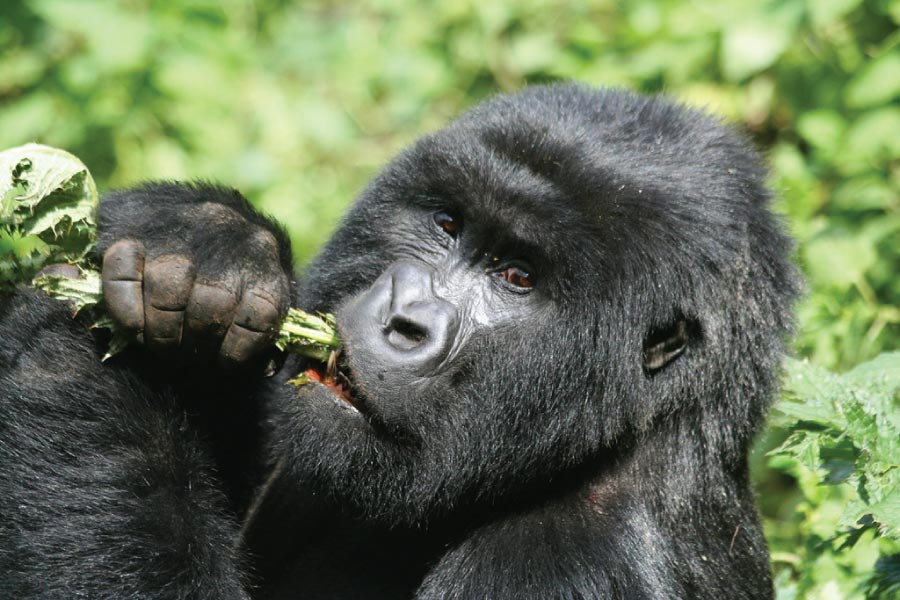
For example, gorilla trekking requires maintaining a safe distance from primates. This rule protects both humans and gorillas from potential disease transmission. East African Jungle Safaris ensures that guides enforce these regulations during every trek.
Additionally, insects present the most common wildlife-related health concern. Mosquitoes can transmit diseases such as malaria and dengue. Travelers should use insect repellent, wear long-sleeved clothing, and sleep under mosquito nets.
Moreover, national parks like Queen Elizabeth National Park offer safe wildlife viewing through guided game drives. These structured activities minimize risks while maximizing enjoyment.
Wildlife enhances the safari experience without compromising safety when travelers follow guidelines. Proper awareness and preparation ensure a secure and memorable Uganda safari journey.
Activities in Uganda Safari
A Uganda safari includes various activities that require physical engagement. Some risks exist, but travelers can manage them through preparation and guidance.
Gorilla trekking involves hiking through uneven terrain and dense vegetation. Travelers should maintain physical fitness and wear appropriate footwear. East African Jungle Safaris provides detailed briefings before each activity to ensure safety.
Additionally, activities such as chimpanzee tracking in Kibale National Park require similar preparation. Hydration and proper nutrition support energy levels during these excursions.
Boat safaris and game drives present minimal health risks. However, travelers should follow safety instructions provided by guides. These measures ensure a smooth experience.
Furthermore, cultural visits and nature walks offer low-risk activities that enrich the safari experience. Travelers can enjoy these experiences while maintaining basic hygiene practices.
Understanding activity-related risks allows travelers to prepare effectively. This preparation ensures a safe and enjoyable Uganda safari adventure.
Conservation and Challenges
Conservation efforts play a vital role in maintaining a safe Uganda safari environment. While conservation protects ecosystems, certain challenges still exist.
For example, remote locations can limit immediate access to advanced medical facilities. However, most lodges maintain basic medical supplies and emergency protocols. East African Jungle Safaris ensures that travelers have access to support when needed.
Additionally, climate conditions can affect health. High humidity and heat require proper hydration and sun protection. Travelers should carry sunscreen, hats, and sufficient water.
Conservation initiatives also focus on reducing disease transmission between humans and wildlife. Strict guidelines during activities such as gorilla trekking support these efforts.
Despite these challenges, Uganda continues to improve its tourism infrastructure. Responsible tourism practices help minimize risks while protecting natural resources. This balance ensures a safe and sustainable Uganda safari experience.
Getting to Uganda Safari
Travel logistics influence health considerations on a Uganda safari. Long-distance flights and road journeys require proper preparation to ensure comfort and safety.
International travelers arrive through Entebbe International Airport. Travelers should stay hydrated and move regularly during flights to reduce fatigue. East African Jungle Safaris provides guidance on travel preparation.
Additionally, road transfers to national parks can take several hours. Travelers should carry snacks, water, and essential medications. This preparation ensures comfort during the journey.
Furthermore, travelers should consider travel insurance that covers medical emergencies. This precaution provides peace of mind throughout the safari.
Proper planning reduces travel-related health risks significantly. A well-prepared journey enhances the overall Uganda safari experience.
Accommodation in Uganda Safari: Are There Any Health Risks on a Uganda Safari?
Accommodation plays a key role in maintaining health during a Uganda safari. Are there any health risks on a Uganda safari related to accommodation? Most lodges maintain high hygiene standards, reducing health risks significantly.
Many accommodations near Bwindi Impenetrable National Park provide clean water, well-prepared meals, and mosquito protection. These measures ensure guest safety and comfort.
East African Jungle Safaris selects accommodations that meet strict health and safety standards. Guests can expect clean facilities, proper sanitation, and trained staff.
Additionally, travelers should practice personal hygiene, including regular handwashing and using bottled or filtered water. These practices reduce the risk of food and waterborne illnesses.
Accommodation providers play a crucial role in ensuring a safe safari experience. Choosing reputable lodges enhances both comfort and health security.
Best Time to Visit Uganda Safari
Seasonal changes influence health risks during a Uganda safari. Are there any health risks on a Uganda safari based on timing? Yes, certain seasons present higher exposure to specific risks.
The rainy seasons increase mosquito activity, which raises the risk of malaria. Travelers should take preventive measures such as anti-malarial medication and insect repellent. East African Jungle Safaris advises travelers on seasonal preparations.
Additionally, the dry seasons offer more comfortable conditions for travel and activities. However, travelers should still maintain health precautions.
Choosing the right time helps reduce exposure to certain risks. Proper planning ensures a safer and more enjoyable Uganda safari experience.
Cultural Experiences Around Safari Lodges
Cultural interactions enhance the Uganda safari experience. These activities generally present low risk when travelers follow basic hygiene practices.
Visitors can explore communities near Bwindi Impenetrable National Park and engage in traditional activities. These experiences include dance performances, craft-making, and storytelling sessions.
East African Jungle Safaris promotes responsible cultural tourism that respects local traditions and health standards. Travelers should follow guidelines provided by guides during visits.
Additionally, trying local cuisine adds to the experience. Travelers should ensure that food comes from reputable sources to avoid illness.
Cultural experiences create meaningful connections while maintaining safety. These interactions enrich the overall Uganda safari journey.
Conclusion: Are There Any Health Risks on a Uganda Safari and Should You Worry?
A Uganda safari offers extraordinary experiences with manageable health risks. Are there any health risks on a Uganda safari? Yes, but travelers can effectively control them through preparation and awareness.
Preventive measures such as vaccinations, anti-malarial medication, and hygiene practices reduce risks significantly. East African Jungle Safaris ensures that travelers receive accurate information and support throughout their journey.
Moreover, Uganda’s tourism industry prioritizes safety through regulations, trained guides, and quality accommodations. This commitment creates a secure environment for visitors.
Travelers who prepare well can enjoy a safe and memorable safari experience. Uganda remains a top destination for wildlife and cultural exploration.
Choosing Uganda for a safari guarantees adventure, discovery, and peace of mind.
