

How Many Days for Gorilla Trekking in Rwanda?
April 18, 2026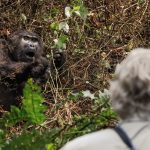
The Minimum Age for Gorilla Trekking
April 22, 2026How Hard Is the Gorilla Trek in Rwanda? East African Jungle Safaris
Many travelers planning a primate safari ask one honest question: How hard is the gorilla trek in Rwanda? This question shapes expectations and helps travelers prepare both physically and mentally. Gorilla trekking in Rwanda offers one of the most powerful wildlife encounters in Africa. However, the journey to meet mountain gorillas involves effort, patience, and determination.
East African Jungle Safaris provides expert guidance to ensure travelers understand the realities of trekking. The experience challenges the body, yet it rewards every step with unforgettable moments. Trekkers walk through dense forests, climb steep slopes, and navigate uneven terrain. At the same time, professional guides and porters provide constant support.
Moreover, Rwanda’s organized trekking system makes the experience accessible to many travelers. Most participants complete the trek successfully, even without advanced fitness levels.
Overview of How Hard Is the Gorilla Trek in Rwanda?
Gorilla trekking takes place in Volcanoes National Park, a mountainous region with dense vegetation. The terrain includes steep hills, muddy paths, and thick growth.
Treks usually last between two and five hours. However, some treks may take longer depending on the gorillas’ location. The pace remains steady, with guides allowing time for rest and hydration.
Altitude also plays a role in the level of difficulty. Many trekking areas sit above 2,000 meters. This elevation can affect breathing and stamina, especially for first-time visitors.
Despite these challenges, the trekking system supports participants effectively. Guides adjust routes based on group fitness levels.
Unique Features of How Hard Is the Gorilla Trek in Rwanda?
Exploring How hard is the gorilla trek in Rwanda? reveals unique features that reduce difficulty. Rwanda offers one of the most organized gorilla trekking systems in Africa. Trekkers receive assignments based on fitness levels, ensuring suitable routes.
Another important feature involves the use of local porters. Hiring a porter provides physical support during the trek. Porters carry bags, assist on steep slopes, and help maintain balance. This service significantly reduces strain.
Walking sticks also improve stability on uneven terrain. Guides provide these tools at the start of the trek. They help trekkers navigate muddy and slippery paths.
Additionally, trekking groups remain small. This structure allows guides to monitor each participant closely. They adjust the pace to suit the group’s needs.
East African Jungle Safaris incorporates these supportive elements into every itinerary.
Wildlife in How Hard Is the Gorilla Trek in Rwanda?
Mountain gorillas live in family groups within Volcanoes National Park. Observing them in their natural habitat creates a deeply emotional experience.
Trekkers often witness feeding, grooming, and playful interactions among young gorillas. These moments create lasting memories and a strong connection to nature.
The park also hosts other wildlife species. Golden monkeys, birds, and unique plant life add excitement to the trek. These encounters enrich the journey beyond the main highlight.
The effort required to reach the gorillas enhances the experience. Each step builds anticipation and appreciation. The final encounter justifies the physical challenge.
East African Jungle Safaris ensures that travelers fully enjoy these moments.
Activities in How Hard Is the Gorilla Trek in Rwanda?
Travelers can balance the physical challenge with lighter experiences.
Golden monkey tracking offers a less demanding alternative. This activity takes place in Volcanoes National Park and provides another exciting wildlife encounter.
Cultural visits near the park add depth to the safari. The Iby’Iwacu Cultural Village introduces traditional Rwandan lifestyles. Visitors enjoy dance, storytelling, and craft demonstrations.
Hiking enthusiasts can explore Mount Bisoke or the Dian Fossey Tomb Trail. These activities require additional effort but offer scenic views and historical insights.
In Kigali, travelers can visit museums and local markets. These experiences provide relaxation after trekking.
East African Jungle Safaris designs itineraries that include these activities.
Conservation and Challenges in How Hard Is the Gorilla Trek in Rwanda?
Gorilla trekking supports the protection of endangered mountain gorillas. Permit fees fund anti-poaching patrols, research, and community development.
However, the environment presents natural challenges. Dense forests and steep terrain protect the gorillas from human interference. These conditions also make trekking physically demanding.
Visitors must follow strict guidelines during the trek. These include maintaining distance and minimizing disturbance. Physical readiness helps trekkers adhere to these rules effectively.
Organizations such as the Dian Fossey Gorilla Fund contribute to ongoing conservation efforts. Their work ensures the survival of these primates.
East African Jungle Safaris promotes responsible tourism practices. Therefore, How hard is the gorilla trek in Rwanda? also reflects the importance of conservation.
Getting to How Hard Is the Gorilla Trek in Rwanda?
Most travelers arrive in Kigali. From there, they travel to Volcanoes National Park within two to three hours.
This short journey reduces travel fatigue compared to other destinations. As a result, travelers arrive better prepared for the trek.
Private transfers offer comfort and convenience. Helicopter transfers provide a faster and more luxurious option. These services align with Rwanda’s premium tourism model.
Upon arrival, trekkers attend a briefing session. This session provides important information about the trek and safety guidelines.
East African Jungle Safaris handles all travel arrangements.
Accommodation in How Hard Is the Gorilla Trek in Rwanda?
Lodges near Volcanoes National Park provide comfort before and after the trek.
Luxury lodges offer amenities such as spa treatments, warm meals, and relaxation areas. These features help travelers recover after physical activity. Mid-range and budget options also provide essential comfort.
Many lodges focus on sustainability and community engagement. Guests can participate in cultural experiences nearby. These activities add value without physical strain.
Proper rest before the trek improves performance. Recovery after the trek enhances overall satisfaction.
East African Jungle Safaris selects accommodations that support traveler needs.
Best Time to Visit for How Hard Is the Gorilla Trek in Rwanda?
The dry seasons offer the best trekking conditions. These occur from June to September and December to February.
During these months, trails remain less muddy and easier to navigate. This reduces physical strain and improves comfort. Therefore, trekking feels less demanding.
The rainy seasons present more challenging conditions. Trails become slippery, and trekking requires greater effort. However, the forest appears lush and vibrant.
East African Jungle Safaris helps travelers choose the best time based on fitness and preferences.
Conclusion: How Hard Is the Gorilla Trek in Rwanda with Confidence?
The question How hard is the gorilla trek in Rwanda? highlights the balance between challenge and reward. Gorilla trekking requires moderate fitness, determination, and preparation. However, it remains achievable for most travelers.
Support from guides and porters makes the experience manageable. Flexible routes and pacing ensure comfort for different fitness levels. Proper preparation enhances safety and enjoyment.
East African Jungle Safaris provides expert support at every stage. The brand ensures that travelers feel confident and prepared. This approach builds trust and delivers exceptional safari experiences.
Ultimately, How hard is the gorilla trek in Rwanda? leads to a journey filled with effort, discovery, and unforgettable wildlife encounters.
