
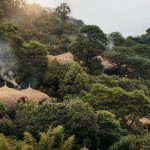
How Long Is the Typical Drive From Kigali International Airport to Bisate Lodge?
May 18, 2026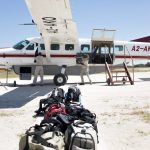
What Luggage Restrictions Apply When Boarding Light Aircraft Between Rwanda and Tanzania Safari Airstrips?
May 25, 2026What Kind of Physical Conditioning is Recommended for Your Gorilla Trekking Safari?
Gorilla trekking is a deeply rewarding, once-in-a-lifetime adventure, but it is not a simple walk in the park. The primeval forests of East Africa feature steep, mud-slicked ridges, thick tangled undergrowth, and high altitudes that can test your physical limits. To ensure you focus on the magic of the mountain gorillas rather than physical exhaustion, a structured physical conditioning regimen is highly recommended before you arrive.
At East African Jungle Safaris, we believe that proper preparation is the key to an unforgettable trek. Below is a detailed breakdown of the exact training and physical conditioning required to conquer the jungle terrain with confidence.
Why Does Forest Terrain Demand Cardiovascular Endurance?
The tracking experience can last anywhere from two to eight hours depending on the movement of the gorilla families. Because you will be speed-walking through dense vines and climbing vertical ravines, building your cardiovascular base is essential.
- Pre-Safari Action Plan: At least 8 to 12 weeks before your departure date, start integrating regular cardio sessions into your week. Focus on brisk walking, jogging, cycling, or swimming for 30 to 45 minutes, 3 to 4 times a week.
- The Incline Advantage: If you have access to a gym, spend time on the treadmill with the incline set high, or spend time on a StairMaster. If you live near hilly terrain, practice walking up and down steep hills to get your lungs and heart accustomed to sustained vertical climbing.
How Do You Prepare Your Muscles for Steep Slopes and Ravines?
Gorilla trekking places an immense amount of pressure on your lower body and core. Navigating uneven terrain requires excellent balance, stability, and lower-body strength to power through deep mud and over massive fallen tree roots.
- Strength Training Fundamentals: Incorporate bodyweight exercises like squats, lunges, and step-ups into your weekly routine to build power in your quadriceps, hamstrings, and calves. Planks and side lunges are highly effective for strengthening your core and ankles, safeguarding you against twists and strains on unpredictable forest floors.
- Flexibility and Stretching: Flexibility prevents injury. Incorporate yoga or targeted stretching sessions to loosen your muscles, which will help you comfortably jump across small forest streams and navigate deep trenches.
How Does Altitude Affect Your Stamina in the Jungle?
Many travelers overlook the factor of elevation. Gorilla trekking destinations like Bwindi Impenetrable National Park sit at altitudes ranging between 1,160 and 2,607 meters (3,800 to 8,500 feet) above sea level. At this elevation, the air is thinner, meaning your lungs have to work twice as hard.
- The Strategy for Higher Elevations: Do not try to race through the forest. A slow, steady, rhythmic pace is what wins the day. During your training walks at home, practice deep, rhythmic breathing to maximize oxygen intake.
Why Should You Train in Your Actual Trekking Gear?
An excellent fitness level can easily be undercut by a fresh pair of blisters or an overly heavy backpack. Your safari gear acts as a force-multiplier for your physical endurance.
- Simulate the Hike: Break in your hiking boots long before you board your flight. Put on the actual thick wool socks and high-ankle support boots you plan to wear, pack a daypack with about 5 kilograms (11 pounds) of weight to simulate your camera gear, water bottles, and rain jacket, and go for a long walk. This trains your shoulders, back, and feet for the exact weight distribution they will experience on safari.
Our Pro-Tip for Trekkers: If you have concerns about your physical limitations on the day of the trek, don’t worry. We can arrange for local porters to carry your daypack, and walking sticks are provided at the park headquarters to assist with balance. For those with severe mobility challenges, a traditional sedan chair system carried by a dedicated team can be booked in advance.
What Distinct Cultural Experiences Await You Around the Safari Lodge?
Your journey into East Africa is not complete without experiencing the rich tapestry of human history that borders the gorilla kingdoms. Around our designated luxury safari lodges, the dense forest gives way to vibrant, welcoming communities. Stepping out of your lodge room opens the door to deeply moving cultural encounters.
How Can You Connect with the Ancient Batwa Forest Heritage?
The Batwa people are the indigenous, ancient hunter-gatherers who lived in perfect harmony with the forest for thousands of years before it was designated as a protected national park.
- The Batwa Heritage Trail: Led by Batwa elders, this immersive walk takes you through the forest edges where they demonstrate their historical survival skills. You will witness demonstrations of traditional fire-making using friction sticks, learn how they harvested wild honey, and see the specific forest plants used for tribal herbal medicine. The experience culminates in a poignant performance of traditional songs and dances that reflect their historical connection to the wild.
What Makes the Bakiga Community Performances So Vibrant?
The surrounding hillsides are farmed by the resilient Bakiga people, known for their incredible terrace farming techniques along the vertical ridges.
- Music, Dance, and Storytelling: The Bakiga are famous for their high-energy, rhythmic dances and powerful drumming. Evenings spent at or near the lodge frequently feature community dance groups who share their history through performance. Guests are always invited to join in. Sitting around a crackling evening campfire while listening to elders share ancestral folk tales and historical myths creates an unforgettable cross-cultural connection.
Can You Participate in Local Gastronomy and Craft Making?
Exploring local livelihoods allows you to understand the intersection of community life and wildlife conservation.
- Village Walks and Banana Beer Brewing: Guided village walks allow you to visit local homesteads, schools, and traditional medicine healers. You can participate in a traditional cooking class to learn how to prepare authentic local dishes like matoke (steamed green bananas) or groundnut stew. You will also have the unique opportunity to see how local banana beer is brewed and visit women’s craft cooperatives to try your hand at traditional basket weaving. Purchasing these beautiful handmade baskets and beadwork directly empowers local families and funds community conservation initiatives.
