
Is Uganda Safe for Tourists?
March 23, 2026
How Do I Prepare for a Gorilla Trekking Adventure?
March 23, 2026What Wildlife Can I See in Uganda’s National Parks?
What wildlife can I see in Uganda’s national parks? This question inspires travelers seeking authentic African safari experiences. Uganda stands among Africa’s most rewarding wildlife destinations. The country offers a rare blend of biodiversity, scenic beauty, and immersive safari encounters. Every journey into Uganda’s protected areas reveals a living ecosystem full of iconic species and hidden natural treasures.
East African Jungle Safaris presents this expert guide to help global travelers understand Uganda’s wildlife richness. Uganda’s national parks provide safe, well-managed environments for wildlife exploration. Visitors enjoy both large mammals and rare primates within relatively compact distances. This accessibility enhances the overall safari experience.
Moreover, Uganda’s landscapes range from dense rainforests to open savannah plains. Each ecosystem supports unique wildlife populations. Travelers can track mountain gorillas in misty forests and observe lions in expansive grasslands within one itinerary. This diversity sets Uganda apart from other safari destinations.
Additionally, Uganda emphasizes conservation and sustainable tourism practices. These efforts protect wildlife while benefiting local communities. Visitors contribute directly to these initiatives through park fees and guided activities. Uganda offers more than sightseeing. It delivers meaningful connections with nature and culture.
Overview of Uganda’s National Parks
Uganda hosts ten national parks, each offering distinct habitats and wildlife experiences. These protected areas cover savannah plains, tropical forests, wetlands, and mountainous regions. Each ecosystem supports unique animal species and ecological systems.
Murchison Falls National Park, Uganda’s largest park, features vast savannah landscapes and the powerful Nile River. Visitors often encounter elephants, giraffes, lions, and crocodiles here. The dramatic waterfall adds a spectacular natural highlight.
Queen Elizabeth National Park offers one of the most diverse wildlife populations in East Africa. The park includes savannah, wetlands, and crater lakes. Visitors see tree-climbing lions, buffaloes, hippos, and numerous bird species.
Bwindi Impenetrable National Park and Mgahinga Gorilla National Park protect endangered mountain gorillas. These parks feature dense forests and rugged terrain. Gorilla trekking remains Uganda’s most iconic wildlife experience.
Kibale National Park stands as a primate paradise. The park hosts chimpanzees and several monkey species. Forest walks reveal rich biodiversity and vibrant birdlife.
Lake Mburo National Park offers accessible wildlife viewing near Kampala. Visitors often see zebras, impalas, and elands. The park’s smaller size allows flexible exploration.
Uganda’s national parks create a complete safari destination. Each park contributes to a broader wildlife experience that remains unmatched across the region.
Unique Features of Uganda’s National Parks
Uganda offers rare wildlife encounters that few destinations provide. The opportunity to track mountain gorillas in their natural habitat remains one of the world’s most exclusive experiences. Bwindi Impenetrable Forest hosts nearly half of the global gorilla population.
Additionally, Uganda allows visitors to observe chimpanzees in Kibale Forest. This experience provides close interaction with one of humanity’s closest relatives. Guided treks ensure both safety and educational value.
Another unique feature includes tree-climbing lions in Queen Elizabeth National Park. These lions display unusual behavior by resting in fig trees. This rare sight attracts wildlife enthusiasts and photographers.
Uganda also supports diverse birdlife, making it a top destination for birdwatchers. The country hosts over 1,000 bird species, including the shoebill stork. Wetlands and forest habitats provide excellent viewing opportunities.
The combination of savannah and forest ecosystems within close proximity enhances Uganda’s uniqueness. Travelers can experience multiple wildlife environments without long travel distances. This advantage improves convenience and safety.
Uganda’s cultural diversity also enriches wildlife experiences. Communities near national parks offer traditional dances, storytelling, and crafts. These interactions add depth to safari journeys.
Uganda delivers unique wildlife experiences that combine rarity, accessibility, and cultural richness in one destination.
Wildlife in Uganda’s National Parks
Uganda offers an impressive range of wildlife species, including the famous Big Five. Visitors often encounter lions, leopards, elephants, buffaloes, and rhinos across different locations.
Savannah parks such as Murchison Falls and Queen Elizabeth support large mammal populations. Elephants roam freely across grasslands, while buffalo herds gather near water sources. Lions hunt in open plains, providing dramatic wildlife sightings.
Uganda also hosts Rothschild’s giraffes, especially in Murchison Falls National Park. These giraffes represent one of the most endangered subspecies. Conservation efforts continue to protect their populations.
Zebras and Uganda kobs thrive in Lake Mburo National Park. These species add diversity to Uganda’s wildlife experiences. Visitors often observe them during guided game drives and walking safaris.
Primates form a major highlight of Uganda’s wildlife. Mountain gorillas and chimpanzees attract global attention. These species live in protected forest environments and require guided tracking experiences.
Birdlife adds another dimension to Uganda’s wildlife diversity. The country offers excellent birdwatching opportunities across all national parks. Rare species attract both amateur and professional birders.
Uganda’s wildlife creates a complete safari experience. Visitors encounter both iconic and rare species in their natural habitats.
Activities in Uganda’s National Park
Uganda offers diverse experiences that bring travelers closer to wildlife. Each activity provides unique perspectives and unforgettable moments.
Game drives remain the most popular safari activity. Visitors explore savannah landscapes in guided vehicles. These drives provide opportunities to see lions, elephants, giraffes, and antelopes.
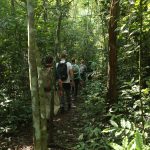
Gorilla trekking offers a once-in-a-lifetime experience. Visitors hike through dense forests to observe mountain gorillas. Guides ensure safety while sharing knowledge about gorilla behavior.
Chimpanzee tracking in Kibale National Park provides another exciting activity. Visitors follow forest trails to observe active chimpanzee groups. This experience combines adventure and education.
Boat safaris along the Nile River and Kazinga Channel reveal aquatic wildlife. Visitors see hippos, crocodiles, and water birds. These cruises offer relaxed yet rewarding wildlife encounters.
Nature walks and hiking trails provide closer interaction with ecosystems. Guided walks allow visitors to explore flora, insects, and smaller animals. These activities enhance understanding of biodiversity.
Cultural experiences complement wildlife activities. Visitors engage with local communities near national parks. Traditional dances, crafts, and storytelling enrich safari experiences.
Uganda’s activities create a balanced safari experience. Travelers enjoy adventure, learning, and cultural immersion in one destination.
Conservation and Challenges
Uganda actively protects its wildlife through strong conservation programs. National park authorities work with local communities to preserve ecosystems and biodiversity.
Anti-poaching initiatives play a critical role in wildlife protection. Rangers patrol protected areas to prevent illegal hunting. These efforts help maintain stable animal populations.
Community involvement strengthens conservation success. Local residents benefit from tourism revenue and employment opportunities. This approach encourages sustainable practices and reduces human-wildlife conflict.
However, challenges still exist within Uganda’s conservation landscape. Habitat loss and climate change affect wildlife populations. Increased human activity near park boundaries creates pressure on ecosystems.
Tourism contributes positively to conservation funding. Visitors support wildlife protection through park fees and guided experiences. Responsible tourism practices ensure long-term sustainability.
Education and awareness programs promote conservation values. Visitors learn about wildlife protection and environmental responsibility. This knowledge encourages respectful travel behavior.
Uganda continues to balance conservation with tourism growth. The country demonstrates commitment to protecting its natural heritage. Visitors play a vital role in supporting these efforts.
Getting to Uganda’s National Parks
Uganda provides convenient access to its major parks through well-organized travel networks. Entebbe International Airport serves as the main entry point for international travelers.
From Entebbe, visitors travel to national parks by road or domestic flights. Professional tour operators arrange safe and comfortable transportation. Guided transfers ensure smooth travel across different regions.
Road travel allows visitors to experience Uganda’s landscapes and communities. Well-maintained safari vehicles enhance safety and comfort. Drivers understand routes and wildlife areas.
Domestic flights connect remote parks such as Bwindi and Murchison Falls. These flights reduce travel time and increase convenience. Air travel also offers scenic aerial views of Uganda’s landscapes.
Clear planning ensures efficient travel between destinations. Tour operators design itineraries that maximize wildlife viewing opportunities. Visitors enjoy seamless transitions between parks.
Travel logistics in Uganda continue to improve with tourism growth. Infrastructure development enhances accessibility and safety. Visitors benefit from reliable transportation systems.
Uganda ensures that reaching its national parks remains straightforward and secure. Travelers focus on wildlife experiences without logistical concerns.
Accommodation in Uganda’s National Parks
Uganda offers a wide range of safari lodges and camps within or near national parks. These accommodations provide both comfort and proximity to wildlife.
Luxury lodges offer premium services, including spacious rooms and guided safari packages. Guests enjoy panoramic views of landscapes and wildlife areas. These lodges prioritize safety and personalized experiences.
Mid-range and budget accommodations provide accessible options for different travelers. These facilities maintain good standards while offering value for money. Visitors still enjoy close access to wildlife experiences.
Eco-lodges emphasize sustainability and environmental conservation. These properties integrate local materials and eco-friendly practices. Guests experience nature while minimizing environmental impact.
Cultural experiences enhance stays at safari lodges. Visitors participate in community visits, traditional performances, and craft workshops. These activities provide insight into Uganda’s cultural heritage.
Many lodges organize guided activities such as game drives and nature walks. Professional staff ensure safety and quality experiences. Visitors relax while enjoying organized safari adventures.
Uganda’s accommodation options cater to diverse travel preferences. Each stay enhances the overall safari experience. Visitors enjoy comfort, security, and direct access to wildlife.
Best Time to Visit Uganda Safe for Tourists
Uganda offers year-round wildlife viewing opportunities. However, certain seasons provide better conditions for safari activities.
Dry seasons from June to September and December to February offer optimal wildlife viewing. Animals gather near water sources, making sightings easier. Roads remain accessible, improving travel conditions.
Wet seasons bring lush landscapes and vibrant scenery. Birdwatching becomes especially rewarding during these months. Migratory species arrive, increasing biodiversity.
Gorilla trekking remains available year-round. However, dry conditions make forest trails easier to navigate. Proper preparation ensures comfort during any season.
Travelers should consider personal preferences when choosing travel dates. Some prefer fewer crowds, while others seek peak wildlife activity. Each season offers unique experiences.
Weather patterns influence safari planning and logistics. Tour operators provide guidance based on seasonal conditions. Visitors benefit from expert advice.
Uganda remains a reliable safari destination throughout the year. Travelers enjoy consistent wildlife experiences regardless of season.
Conclusion: What Wildlife Can I See in Uganda’s National Parks and Why Choose East African Jungle Safaris?
What wildlife can I see in Uganda’s national parks, and why should travelers choose this destination? Uganda offers a complete wildlife experience that combines diversity, accessibility, and authenticity. Visitors encounter iconic species, rare primates, and rich ecosystems.
East African Jungle Safaris provides expert guidance and professional services. The brand focuses on safety, quality, and memorable experiences. Travelers benefit from well-planned itineraries and knowledgeable guides.
Uganda stands out as a leading safari destination in Africa. The country balances conservation, tourism, and community development. Visitors contribute to these efforts while enjoying unique adventures.
Every safari in Uganda delivers more than wildlife viewing. Travelers connect with nature, culture, and local communities. These experiences create lasting memories and meaningful journeys.
Uganda invites travelers to explore its national parks with confidence. The country offers both safety and exceptional wildlife encounters. East African Jungle Safaris ensures every journey meets the highest standards of excellence.
