Why Cultural Etiquette Matters During Tanzania Cultural Safaris
March 9, 2026Why Cultural Etiquette Matters During Tanzania Cultural Safaris
Tanzania Cultural Safaris offer travelers the opportunity to experience Africa through genuine human connections and authentic traditions. Cultural exploration allows visitors to discover Tanzania beyond wildlife safaris and scenic landscapes. Instead of observing nature alone, travelers interact with communities who preserve ancient customs and lifestyles.
Tanzania holds one of Africa’s richest cultural identities. More than 120 ethnic groups live across the country. Each community protects unique traditions, values, and social practices. Cultural etiquette therefore plays a crucial role during every Tanzania Cultural Safaris experience.
Respectful behavior strengthens trust between travelers and host communities. Simple gestures often communicate deep respect. For example, Tanzanian cultural norms encourage visitors to greet people politely and observe social customs carefully.
One important cultural practice involves the use of the right hand during interactions. Travelers should always use the right hand when shaking hands or receiving items. The left hand carries cultural associations with unclean activities. Using the right hand demonstrates respect and awareness of local traditions.
Another important etiquette rule involves modest public behavior. Visitors should avoid public displays of affection during Tanzania Cultural Safaris. Conservative values guide many rural communities and traditional societies.
East African Jungle Safaris prepares travelers with cultural knowledge before every journey. This guidance ensures respectful interactions with local communities. Cultural understanding enriches travel experiences while protecting traditional values.
What Can I Expect in a Tanzania Cultural Safaris Experience?
Travelers who embark on Tanzania Cultural Safaris experience the country through its people, traditions, and community lifestyles. Cultural safaris reveal how ancient customs remain active within modern Tanzanian society.
Village visits form the heart of most cultural safari itineraries. Visitors walk through traditional settlements and observe daily activities. These experiences introduce farming practices, family life, and traditional housing structures.
Local community guides lead these visits. Their knowledge provides deep insight into cultural values, traditional leadership, and spiritual beliefs.
During Tanzania Cultural Safaris, travelers often witness traditional craftsmanship. Skilled artisans create beadwork, woven baskets, pottery, wood carvings, and metal tools. These crafts carry cultural meaning and historical significance.
Visitors sometimes participate in these creative processes. Hands-on experiences allow travelers to understand the effort behind each handmade product.
Cultural music and dance performances also enrich these journeys. Drums, songs, and traditional movements celebrate community unity and seasonal events.
Food experiences add another dimension to Tanzania Cultural Safaris. Local cooks prepare traditional meals using regional ingredients and long-standing cooking methods.
Nature also influences cultural identity across Tanzania. Lakes, forests, and savannah landscapes shape agriculture, livestock management, and hunting traditions.
East African Jungle Safaris carefully designs these experiences with local communities. This approach supports responsible tourism while protecting cultural heritage.
Through these interactions, Tanzania Cultural Safaris transform travel into meaningful cultural exchange.
What Is the Cultural Etiquette Visitors Should Follow?
Understanding cultural etiquette strengthens every Tanzania Cultural Safaris experience. Respectful actions help visitors build positive relationships with local communities.
Greeting people politely remains a fundamental cultural practice across Tanzania. Travelers should greet elders and hosts with warm smiles and respectful body language.
One important rule involves using the right hand during interactions. Visitors should use the right hand when shaking hands or receiving items. The left hand carries cultural associations with unclean activities. Using the correct hand therefore communicates respect and awareness.
During Tanzania Cultural Safaris, modest behavior also plays an important role. Visitors should avoid public displays of affection such as kissing or hugging in public spaces.
Many rural communities maintain conservative social values. Respectful conduct helps travelers avoid cultural misunderstandings.
Appropriate dress also supports cultural respect. Travelers should wear modest clothing that covers shoulders and knees during village visits.
Photography etiquette represents another important cultural guideline. Travelers should ask permission before photographing local people or private spaces.
East African Jungle Safaris guides help visitors understand these cultural practices before entering communities. This preparation ensures positive interactions and meaningful cultural engagement.
Respectful etiquette therefore transforms Tanzania Cultural Safaris into enriching cultural learning experiences for both travelers and host communities.
What Can I Pack for a Cultural Safari Adventure?
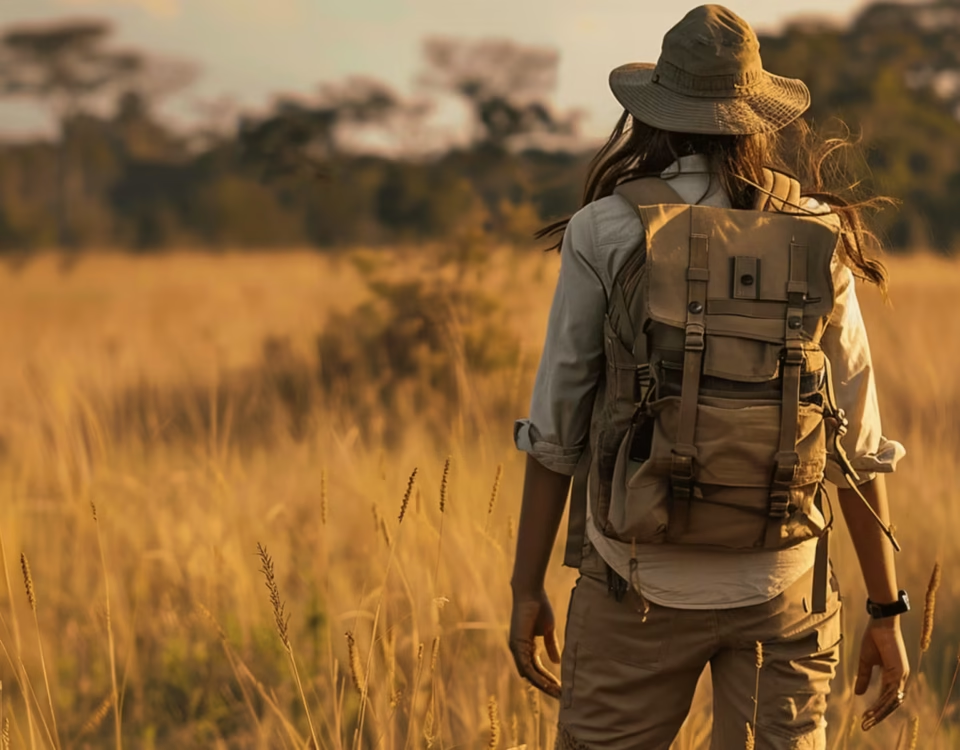
Proper packing plays an important role in successful Tanzania Cultural Safaris experiences. Travelers should prepare for warm climates, outdoor activities, and village visits.
Lightweight clothing offers the best comfort in Tanzania’s tropical environment. Cotton and linen fabrics allow airflow during walking tours and outdoor exploration.
Neutral colors such as beige, khaki, and olive green work well during Tanzania Cultural Safaris. These colors blend naturally with rural surroundings and wildlife environments.
Visitors should avoid dark blue and black clothing. These colors attract tsetse flies in several safari regions.
Comfortable walking shoes remain essential for village walks and cultural excursions. Many experiences involve exploring farms, markets, and nature trails.
Sun protection also improves comfort during travel. A wide-brim hat, sunglasses, and sunscreen help protect travelers during long outdoor activities.
A reusable water bottle supports sustainable tourism by reducing plastic waste.
Travelers should also pack a camera, extra batteries, and memory cards to capture memorable moments.
A small backpack allows visitors to carry essentials during daily cultural excursions.
East African Jungle Safaris provides detailed packing recommendations before each safari departure.
Well-prepared travelers therefore enjoy smooth and rewarding Tanzania Cultural Safaris adventures.
What Are the Best Places in Tanzania for Tanzania Cultural Safaris?
Several regions across Tanzania offer exceptional cultural exploration during Tanzania Cultural Safaris. Each destination presents unique traditions, landscapes, and communities.
The Ngorongoro Highlands stand among Tanzania’s most famous cultural regions. Maasai pastoralist communities live across these vast highland plains. Visitors explore traditional villages called bomas and learn about cattle-centered lifestyles.
The Lake Eyasi region provides another remarkable destination for Tanzania Cultural Safaris. The Hadzabe hunter-gatherer community lives within this remote area. Travelers join morning tracking walks and observe ancient hunting techniques.
Nearby Datoga communities specialize in traditional blacksmithing. Visitors watch artisans craft tools and jewelry using handmade furnaces.
The island of Zanzibar introduces travelers to vibrant Swahili culture. African, Arab, and Indian influences blend across architecture, cuisine, and traditions.
Stone Town reveals centuries of cultural exchange through narrow streets, historical buildings, and lively markets.
The Mount Kilimanjaro region also offers fascinating cultural experiences. Chagga communities cultivate coffee and bananas on the mountain’s fertile slopes.
East African Jungle Safaris carefully selects these destinations for authentic Tanzania Cultural Safaris experiences.
Each location reveals a different cultural story within Tanzania’s diverse heritage.
What Cultural Experiences Can Travelers Enjoy Around Safari Lodges?
Safari lodges across Tanzania often organize cultural activities that enrich Tanzania Cultural Safaris experiences. These activities introduce travelers to nearby communities and traditions.
Guided village walks remain among the most popular experiences. Local guides lead visitors through farms, schools, and community markets.
Travelers frequently observe traditional cooking methods during these visits. Village cooks demonstrate food preparation using clay stoves and local ingredients.
Craft workshops also enhance cultural learning. Guests explore beadwork, basket weaving, pottery, and wood carving techniques.
Music and dance performances create vibrant cultural evenings during Tanzania Cultural Safaris. Traditional drums accompany dances that celebrate community history and seasonal festivals.
Agricultural experiences introduce travelers to farming traditions. Visitors may participate in banana harvesting, coffee processing, or livestock care.
Nature walks with community elders reveal medicinal plants used in traditional healing practices.
East African Jungle Safaris collaborates with eco-lodges that support community development.
These partnerships allow travelers to enjoy authentic cultural experiences while supporting local livelihoods.
How Much Are the Permits for Cultural Experiences?
Travelers often ask an important planning question: How much are the permits for Tanzania Cultural Safaris?
Unlike wildlife safaris, cultural visits usually involve community contribution fees rather than formal government permits.
Maasai village visits commonly require small cultural contributions ranging from 20 to 50 dollars per visitor.
Hadzabe hunting experiences near Lake Eyasi may cost between 40 and 80 dollars depending on the activity duration.
Datoga blacksmithing demonstrations also involve small visitor contributions.
These fees support community programs such as education, healthcare, and cultural preservation.
East African Jungle Safaris includes many of these contributions within its Tanzania Cultural Safaris packages.
This transparent approach simplifies travel planning while supporting local communities.
Responsible tourism therefore strengthens cultural heritage and community development.
Can I Combine Uganda Cultural Safaris with Tanzania Cultural Safaris?
Many travelers seek deeper cultural exploration across East Africa. A common question arises: Can I combine Uganda Cultural Safaris with Tanzania cultural safaris?
The answer remains yes. Combining these destinations creates a rich cultural journey across the region.
Uganda introduces travelers to indigenous forest communities such as the Batwa. These groups maintain ancient connections with rainforest ecosystems.
Northern Uganda also hosts pastoralist cultures similar to Tanzania’s Maasai communities.
Travelers often begin with gorilla trekking adventures in Uganda’s mountain forests.
The journey then continues into Tanzania’s savannah landscapes and cultural villages.
East African Jungle Safaris designs cross-border itineraries that connect these destinations smoothly.
Combined itineraries therefore transform Tanzania Cultural Safaris into a broader East African cultural adventure.
What Does East African Jungle Safaris Offer You on a Tanzania Cultural Safaris?
East African Jungle Safaris delivers expertly designed Tanzania Cultural Safaris that highlight authentic cultural immersion and responsible tourism.
The company collaborates closely with local communities across Tanzania. These partnerships ensure travelers experience genuine traditions and daily lifestyles.
Professional guides accompany every safari itinerary. Their cultural knowledge enriches every interaction.
Travelers receive customized safari programs based on their interests. Some prefer deep cultural learning while others combine wildlife safaris with village visits.
The company also selects eco-friendly accommodations that support community development initiatives.
Through careful planning and local expertise, East African Jungle Safaris creates meaningful cultural travel experiences.
Why Choose East African Jungle Safaris for Your Tanzania Cultural Safaris?
Travelers planning Tanzania Cultural Safaris often ask a final question: Why choose East African Jungle Safaris for your Tanzania cultural safaris?
The company brings extensive experience within the African tourism industry. Years of regional knowledge guide every safari itinerary.
Strong partnerships with local communities ensure authentic cultural encounters.
East African Jungle Safaris prioritizes responsible tourism that respects traditions and supports local development.
Guests enjoy personalized travel services, professional guides, and carefully selected accommodations.
These qualities establish East African Jungle Safaris as a trusted authority in African cultural tourism.
Travelers therefore experience meaningful connections with Tanzania’s communities while enjoying expertly organized safaris.
Through these journeys, Tanzania Cultural Safaris reveal the living heritage, traditions, and hospitality that define Tanzania’s cultural identity.