
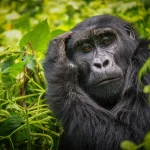
Is It Better to See Gorillas in Uganda and Rwanda?
February 23, 2026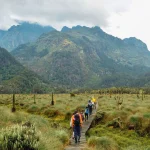
Rwenzori Mountains National Park Uganda Hiking Safari
February 25, 2026Why Is Gorilla Trekking So Expensive?
Why Is Gorilla Trekking So Expensive? This question often arises when travelers begin planning their African safari. I understand this concern because gorilla permits require a significant financial commitment. However, I also understand the deeper value behind every dollar invested. At East African Jungle Safaris, I guide travelers through the reasons with transparency and authority. Gorilla trekking stands among the rarest wildlife experiences on earth. Mountain gorillas live in limited habitats within Uganda, Rwanda, and Democratic Republic of the Congo. Their endangered status demands strict protection measures.
The Core Reason Why Gorilla Trekking Is So Expensive
The primary answer to Why Is Gorilla Trekking So Expensive? lies in conservation responsibility. Mountain gorillas face habitat loss, disease threats, and human encroachment. Governments invest heavily in ranger patrols, veterinary care, research programs, and community education. These efforts require consistent funding.
Permit revenue directly supports these conservation systems. Rangers patrol forests daily to prevent poaching. Veterinary teams monitor gorilla health regularly. Conservation organizations collaborate with wildlife authorities to maintain sustainable ecosystems. Without permit income, long-term protection would weaken significantly.
Moreover, authorities restrict the number of visitors per gorilla family each day. Only eight trekkers visit one habituated family. This limitation protects gorillas from stress. However, it also reduces supply while demand remains high. Therefore, pricing reflects both scarcity and conservation necessity.
Limited Gorilla Populations – Rarity Increases Value
Mountain gorillas exist only in specific protected regions. In Uganda, they inhabit Bwindi Impenetrable National Park and Mgahinga Gorilla National Park. In Rwanda, they live in Volcanoes National Park.
These forests cover relatively small areas compared to global wildlife reserves. Yet interest in gorilla trekking continues to grow worldwide. Travelers from Europe, North America, Asia, and Australia compete for limited permits.
High demand combined with strict visitor limits naturally increases cost. Governments use pricing strategies to manage visitor flow. Higher pricing discourages overcrowding and ensures sustainability. Therefore, pricing becomes both an economic and conservation tool.
I always explain to my guests that gorilla trekking operates differently from typical safari experiences. You do not simply enter a park and search freely. You secure a limited, regulated conservation permit.
How Much Are the Permits?
Permit costs vary by country. Uganda offers more moderate pricing compared to Rwanda’s premium structure. Rwanda positions itself as a luxury destination. Therefore, its permits cost significantly more.
Permit fees include ranger guidance, conservation contributions, security, and one hour with a habituated gorilla family. The permit does not simply grant access. It funds infrastructure, park management, and local community projects.
Additionally, gorilla habituation requires years of research and training. Rangers gradually introduce human presence to wild gorilla families. This process demands expertise and patience. Permit fees help support these long-term efforts.
What Can I Expect in a Gorilla Trekking Safari?
Understanding Why Is Gorilla Trekking So Expensive? becomes easier once you experience the safari itself. A typical trekking day begins with a briefing at park headquarters. Rangers assign small groups and explain safety guidelines. Trekkers then hike through dense rainforest terrain.
The forest feels alive with bird calls and rustling leaves. The hike challenges endurance and patience. However, anticipation builds with every step. Once trackers locate the gorilla family, silence replaces conversation. You approach carefully under ranger supervision.
During your one-hour encounter, you observe authentic gorilla behavior. Silverbacks display leadership. Juveniles play energetically. Mothers nurture infants gently. This experience unfolds without artificial staging.
What Are the Best Places for Gorilla Trekking?
Uganda’s Forest Diversity
Uganda offers multiple trekking sectors within Bwindi. Each sector presents unique landscapes and gorilla families. Buhoma provides established lodges and accessibility. Nkuringo offers dramatic mountain views. Rushaga features the highest number of habituated families.
Mgahinga Gorilla National Park adds volcanic scenery and fewer crowds. This park also offers golden monkey tracking experiences.
Rwanda’s Premium Setting
Volcanoes National Park delivers stunning volcanic backdrops and luxury lodges. The park lies close to Kigali, which reduces travel time. High-end travelers often prefer this efficiency.
When considering Why Is Gorilla Trekking So Expensive?, location choice influences pricing. Rwanda’s luxury positioning increases overall safari cost. Uganda provides broader flexibility and value options.
The Accommodations – Where Does Your Investment Go?
Another answer to Why Is Gorilla Trekking So Expensive? involves accommodation standards. Gorilla safari lodges often operate in remote forest regions. Building and maintaining properties in such terrain requires significant investment.
In Uganda, lodges range from eco-friendly camps to high-end forest retreats. Rwanda emphasizes luxury architecture, gourmet dining, and premium service.
Operating costs remain high due to logistics, staffing, and sustainability efforts. Many lodges support local employment and conservation projects. Therefore, part of your safari budget strengthens community economies.
Accommodation quality shapes your comfort level during the trek. I carefully match each guest with the ideal lodge based on preferences and budget.
What Can I Pack for a Gorilla Trekking Safari?
Preparation enhances the value behind Why Is Gorilla Trekking So Expensive? I advise packing sturdy hiking boots with strong grip. The forest floor often becomes muddy and slippery. Waterproof jackets protect against sudden rain showers.
Long-sleeved clothing prevents scratches and insect bites. Gloves protect hands during steep climbs. I recommend carrying sufficient water and light energy snacks. A small backpack keeps essentials organized.
Physical preparation also matters. Light cardiovascular training improves stamina. Good fitness ensures you fully enjoy the experience you invested in.
Proper packing protects your comfort and safety. Therefore, preparation supports the premium nature of gorilla trekking.
Can I Combine Uganda Whitewater Rafting with Gorilla Trekking?
Adventure seekers often ask, “Can I combine Uganda whitewater rafting with gorilla trekking?” The answer is yes. Uganda offers thrilling rafting experiences along the Nile River near Jinja. Combining rafting with gorilla trekking creates a dynamic safari itinerary.
Whitewater rafting delivers adrenaline and energy. Gorilla trekking offers reflection and wildlife immersion. Together, they provide balance and diversity.
When evaluating Why Is Gorilla Trekking So Expensive?, consider the broader safari experience. Uganda allows multi-destination exploration within one trip. This combination maximizes travel value.
Cultural Experiences Around Gorilla Safari Lodges
Cultural integration strengthens the meaning behind Why Is Gorilla Trekking So Expensive? Around Bwindi, guests engage with Batwa communities. The Batwa share traditional forest survival skills, music, and storytelling.
Coffee tours allow visitors to support local farmers directly. Craft workshops empower women’s cooperatives. Village walks create authentic human connections.
In Rwanda, community initiatives near Volcanoes National Park showcase traditional dance and conservation education.
These cultural interactions extend your safari beyond wildlife viewing. They create social impact and shared understanding.
What Does East African Jungle Safaris Offer You on a Gorilla Trekking Safari?
At East African Jungle Safaris, I provide professional guidance rooted in deep regional expertise. When answering Why Is Gorilla Trekking So Expensive?, I ensure clients understand every detail transparently.
I secure permits in advance. I design personalized itineraries. I coordinate logistics, accommodations, and transfers seamlessly. I prioritize safety and comfort throughout your journey.
My partnerships with local communities and conservation authorities strengthen sustainable tourism. I remain committed to ethical travel practices that protect wildlife and uplift communities.
Why Choose East African Jungle Safaris for Your Gorilla Trekking Safari?
Choosing the right operator enhances your entire experience. When evaluating Why Is Gorilla Trekking So Expensive?, you deserve clear communication and reliable planning. I bring firsthand experience and strong conservation knowledge to every itinerary.
I focus on transparency, sustainability, and guest satisfaction. I provide honest advice regarding destination choice, permit timing, and physical preparation.
East African Jungle Safaris positions itself as a trusted authority in Africa tourism. My goal remains simple. I deliver transformative safari experiences with professionalism and integrity.
Final Reflection – Why Is Gorilla Trekking So Expensive?
So, Why Is Gorilla Trekking So Expensive? The answer combines conservation responsibility, limited gorilla populations, strict visitor regulations, and high global demand. Permit revenue protects endangered species and supports local communities. The experience delivers unmatched wildlife intimacy and emotional impact.
When you invest in gorilla trekking, you invest in preservation, sustainability, and unforgettable memories. Through East African Jungle Safaris, I ensure your journey reflects expertise, authenticity, and exceptional value.
I invite you to explore Africa responsibly and confidently. Your gorilla trekking safari awaits.
